
Swelling eye blisters can be improved by cold compress to reduce swelling, adjusting diet, moderate massage, medication treatment, surgical treatment, and other methods. Swelling eye blisters may be related to genetics, sleep deprivation, allergic reactions, kidney disease, hypothyroidism, and other factors.
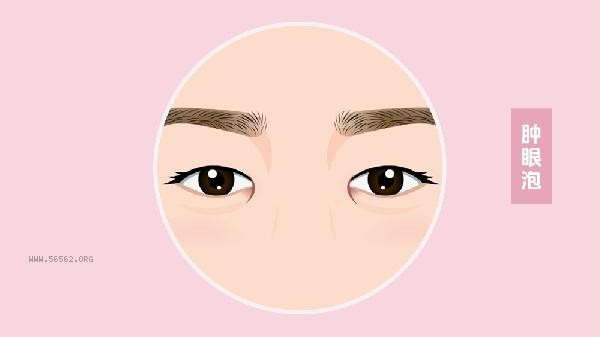
1. Cold compress to reduce swelling
Use a refrigerated wet towel or a specialized ice mask to cool the eye area for 5-10 minutes. Low temperature can constrict blood vessels and reduce tissue fluid leakage. Be careful to avoid direct contact between ice cubes and the skin, repeat 2-3 times a day. This method is suitable for temporary edema caused by staying up late or crying.
2. Adjust diet
Control daily salt intake within 5 grams and avoid pickled foods. Increasing the intake of potassium rich foods such as bananas and spinach can help balance sodium and potassium levels in the body. Limit water intake 3 hours before bedtime and choose a high protein diet to maintain plasma colloid osmotic pressure.
3. Moderate massage
Use the ring finger to gently push from the inner corner of the eye outward to the temple, and use a caffeinated eye cream for lymphatic drainage. Perform 5 minutes each morning and evening, with the intensity not to pull the skin. Massage can promote microcirculation around the eyes, but it is contraindicated during the onset of eye herpes.
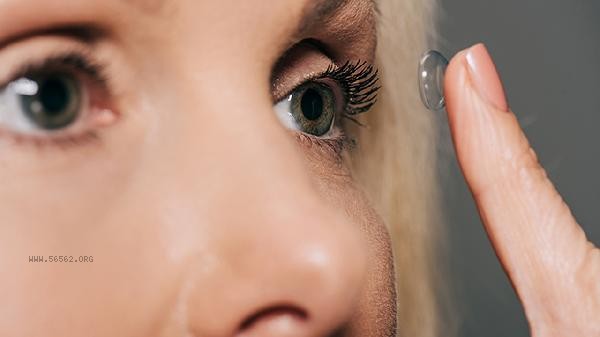
4. Drug treatment
Allergic factors can be treated with antihistamines such as loratadine tablets and cetirizine hydrochloride drops according to medical advice. Thyroid dysfunction requires taking levothyroxine sodium tablets to regulate metabolism. Kidney disease patients may require diuretics such as furosemide tablets, and all medications must be used under the guidance of a professional physician.
5. Surgical treatment
For congenital swollen eye blisters, eyelid reconstruction surgery can be considered to remove excess fat, with a surgery time of about 1-2 hours. After surgery, pressure bandaging should be applied for 24 hours, and antibiotic eye ointment should be used to prevent infection. Patients with relaxed eyelids can undergo combined eyebrow lifting surgery for improvement, and vigorous exercise should be avoided during the recovery period.

It is necessary to maintain 7-8 hours of high-quality sleep in daily life, and elevate the pillow during sleep to promote venous return. Avoid rubbing your eyes vigorously and choose non spice eye and lip makeup remover products. When persistent edema lasts for more than one week or is accompanied by symptoms such as visual changes or headaches, it is necessary to seek medical attention promptly at an ophthalmology or endocrinology department to investigate pathological factors. Regular aerobic exercise improves overall blood circulation, but electrolytes should be replenished promptly after exercise.






Comments (0)
Leave a Comment
No comments yet
Be the first to share your thoughts!