
White radish can be removed from its spicy taste through methods such as blanching, salting, sugar soaking, pairing with sweet ingredients, or extending cooking time. The spicy taste of white radish mainly comes from glucosinolates, which can effectively decompose or neutralize irritating components.
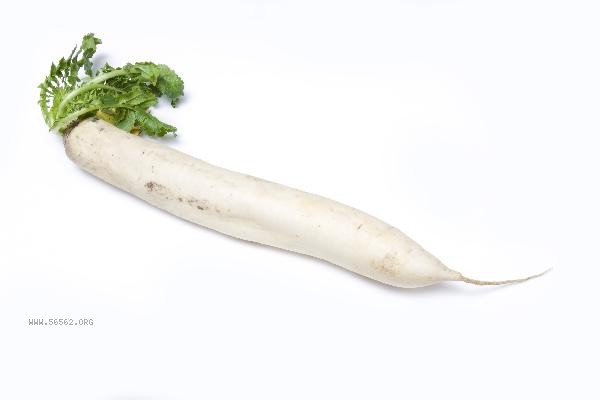
Blanching is the most commonly used method. Cut the white radish into pieces and boil it in boiling water for 1-2 minutes. High temperature can quickly destroy the structure of spicy substances. Immediately supercooling after blanching can maintain a crispy and tender taste, suitable for cold mixing or quick stir frying. Salt pickling utilizes the principle of osmotic pressure. Cut white radish is kneaded with salt and left to stand for 20 minutes. The resulting juice will take away some spicy ingredients. After processing, it needs to be washed to avoid excessive saltiness. Sugar stains are suitable for making refreshing small dishes. Mix white radish slices with white sugar in proportion and refrigerate for 2 hours. Sugar can convert spicy substances while increasing the fresh and sweet flavor.
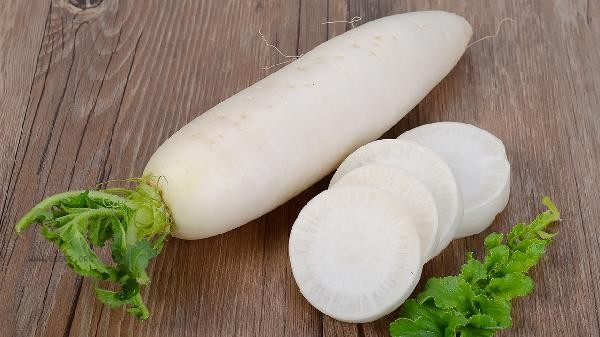
With sweet fruit stews such as snow pear and apple, fructose and organic acid can neutralize the irritation of radish. When stewed with meat, fat and protein can encapsulate spicy molecules to reduce irritation. Long term stewing can cause sulfides to evaporate. It is recommended to simmer over low heat for more than 30 minutes, as the radish will become sweet and soft. When making Fried white radish patty in winter, dry stir fry the shredded radish to a semi transparent state in advance, and the high temperature dehydration process can significantly reduce the spicy taste.
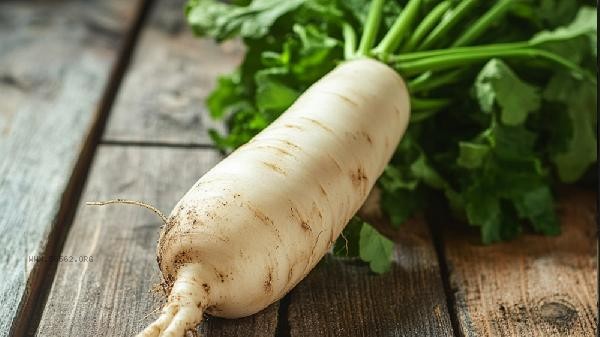
Processed white radish is more suitable for the elderly and children to consume, but prolonged cooking at high temperatures can result in the loss of some vitamin C. It is recommended to choose the appropriate method according to the needs of the dish, with cold dishes prioritizing salt and sugar pickling, and stewed dishes extending the cooking time. Retaining an appropriate amount of spicy ingredients can help promote the secretion of digestive juices. For those with gastrointestinal sensitivity, white radish can be peeled and processed. Spicy substances are mostly concentrated near the epidermis. Pay attention to controlling the amount of daily consumption, as excessive intake may cause gastrointestinal discomfort.








Comments (0)
Leave a Comment
No comments yet
Be the first to share your thoughts!