
The removal of residual pesticides on chives can be achieved through methods such as rinsing with running water, soaking in baking soda, washing with rice water, soaking in salt water, and high-temperature blanching. Chives are prone to adsorbing pesticides, and it is recommended to combine multiple methods of treatment to reduce residual risks.
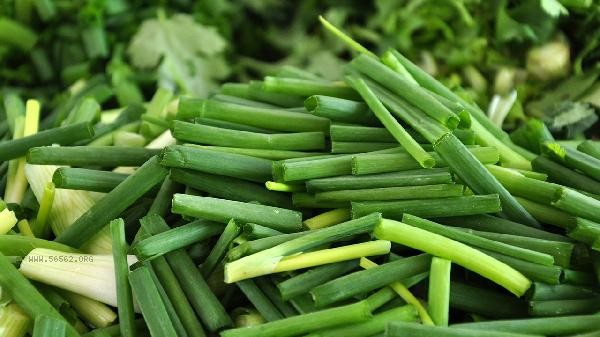
1. Rinse with running water
Place the chives under flowing water and rinse repeatedly. The impact of the water flow can effectively wash away pesticide residues on the surface. When rinsing, break open the gaps between each blade one by one, focusing on the connection between the root and the blade. It is recommended to rinse continuously for more than 3 minutes to remove most water-soluble pesticides.
2. Soak in Baking Soda
Add 5 grams of baking soda per liter of water, soak the chives for 10 minutes, and then rinse. Alkaline environment can decompose organic phosphorus residues and has a significant effect on lipid soluble pesticides. Pay attention to thoroughly rinsing with running water after soaking to avoid alkaline residue affecting the taste.
3. Wash with rice washing water
Soak the chives in the turbid water generated during the first rice washing for 15 minutes. Rice washing water contains starch granules that can adsorb some pesticides, and a weakly acidic environment helps to degrade specific residual components. This method is suitable for processing chive varieties with tender leaves.
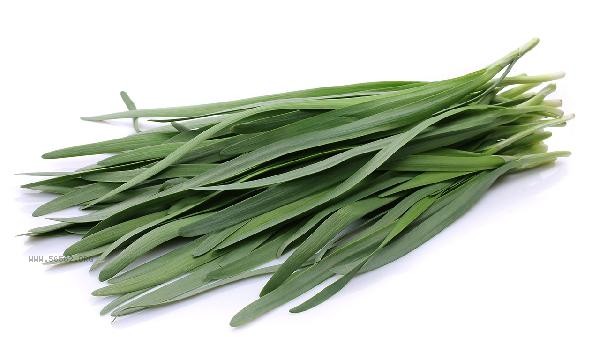
4. Salt water immersion
Soaking in 3% concentration salt water for 8 minutes can promote pesticide dissolution, and the permeation effect of sodium chloride can destroy some pesticide molecular structures. Pay attention to rinsing again after soaking to avoid salt residue. This method is effective against pyrethroid pesticides.
5. High temperature blanching
Rapid blanching in boiling water for 20 seconds can decompose thermally unstable pesticides, and high temperatures can break the chemical bonds of carbamate pesticides. After blanching, immediately supercool to maintain color and minimize nutrient loss. This method is suitable for subsequent cooking of chives.
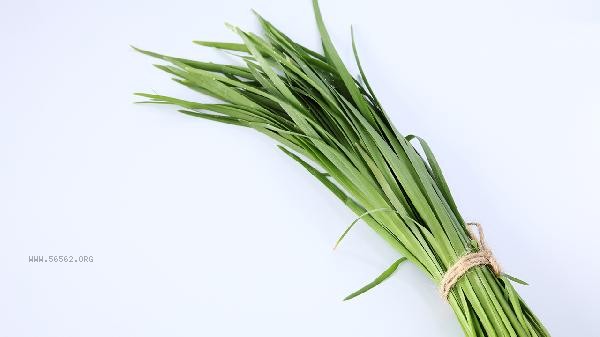
It is recommended to choose regular planting base products when purchasing leeks, and prioritize selecting leeks with green certification marks. Processed chives can be refrigerated and stored for no more than 3 days, and rinsed again before cooking. Long term consumption of vegetables containing pesticide residues may affect gastrointestinal function. Daily consumption can be combined with fiber rich foods such as black fungus and kelp to promote metabolism. If you accidentally consume chives with excessive pesticide residues and experience symptoms such as dizziness and nausea, you should seek medical attention promptly.








Comments (0)
Leave a Comment
No comments yet
Be the first to share your thoughts!