
Removing pesticide residues from vegetables can be achieved through methods such as rinsing with running water, soaking in baking soda, peeling treatment, high-temperature blanching, and fruit and vegetable cleaning agents. Pesticide residues may vary due to factors such as planting environment, crop types, and spraying cycles, and appropriate methods need to be selected based on specific vegetable types.
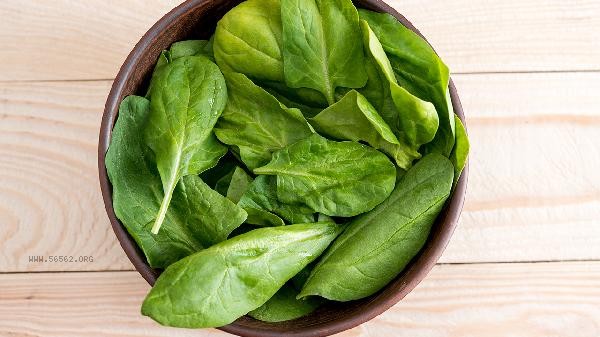
1. Running water flushing
Running water flushing is the most basic way to remove pesticides, suitable for leafy vegetables and fruits with smooth surfaces. When rinsing, the vegetables should be completely submerged and the surface should be repeatedly rubbed for more than 2 minutes to remove most water-soluble pesticides. Vegetables with complex structures such as cauliflower are recommended to be broken into small pieces and washed to avoid pesticides hiding in the gaps.
2. Baking soda soaking
Edible alkali such as baking soda can decompose organic phosphorus pesticides. Add 5 grams of baking soda per liter of water to prepare a solution, soak for 10-15 minutes, and then rinse. This method has a significant effect on vegetables with thick wax layers such as eggplants and green peppers, but it should be noted that soaking for too long may affect the taste of the vegetables.
3. Peeling treatment
Cucumber, potatoes and other vegetables with skin can be directly peeled off by 1-2 millimeters, which can remove fat soluble pesticides attached to the surface. Experiments have shown that peeling can eliminate over 90% of pesticide residues, but it may result in the loss of some dietary fiber and vitamins. It is recommended to prioritize organic grown vegetables with skins.
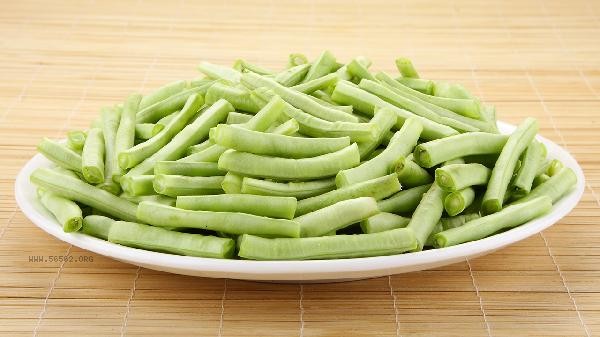
4. High temperature blanching
Boiling water quickly for 1-2 minutes can decompose and evaporate some pesticides, suitable for high-temperature resistant vegetables such as beans and broccoli. High temperature can damage the cell structure of vegetables and cause pesticide precipitation. After blanching, the heating process should be immediately terminated by supercooling water. This method has a high removal rate for carbamate pesticides.
5. Fruit and vegetable cleaner
Special fruit and vegetable cleaner contains surfactant components that can decompose pesticide molecular structures. Dilute according to the instructions and thoroughly rinse after soaking to avoid secondary contamination. This type of cleaning agent is effective against pyrethroid pesticides, but sensitive individuals may experience skin irritation reactions.

It is recommended to prioritize local seasonal products when purchasing vegetables to reduce the use of preservatives during long-distance transportation. Keep it ventilated and dry during storage, as some pesticides may naturally degrade over time. Leafy vegetables can be left to air dry for 30 minutes before processing, while root vegetables are recommended to be refrigerated for storage. Pay attention to the diversification and rotation of vegetables in daily diet to avoid the accumulation of the same pesticide in the body. If discomfort symptoms such as numbness in the lips occur after consumption, seek medical attention immediately and bring suspected vegetable samples for testing.








Comments (0)
Leave a Comment
No comments yet
Be the first to share your thoughts!