
Removing pesticide residues from vegetables can be achieved through methods such as rinsing with running water, soaking in baking soda, high-temperature blanching, peeling, and using specialized cleaning agents. Pesticide residues may cause gastrointestinal discomfort or chronic health risks, and daily cleaning methods should be taken seriously.

1. Rinse with running water
Repeatedly rinsing the surface of vegetables with running water is the most basic and effective method. The impact force of water flow can take away some water-soluble pesticides. It is recommended to remove the outer leaves first and wash each leaf separately for at least 3 minutes. For vegetables with complex structures such as broccoli, a soft bristled brush can be used to gently brush the gaps. This method has a high removal rate for organic phosphorus pesticides, but attention should be paid to avoiding long-term soaking that may cause pesticide reverse osmosis.
2. Baking soda soaking
Edible alkali such as baking soda can decompose some acidic pesticides. Add 5 grams of baking soda per liter of water, soak the vegetables for 10-15 minutes, and then rinse. Alkaline environment can degrade pyrethroid pesticides, and layered vegetables such as cabbage need to be soaked in leaves. This method may affect the taste of vegetables, and it is recommended to rinse with running water again after soaking.
3. High temperature blanching
Boiling water for 30 seconds can cause the thermal decomposition of most pesticides. High temperature can damage the molecular structure of carbamate pesticides, making them suitable for stem and leaf vegetables such as beans and spinach. Immediately supercooling after blanching can maintain color, but it may result in the loss of some water-soluble vitamins. Note that blanching for too long can lead to increased nutrient loss.
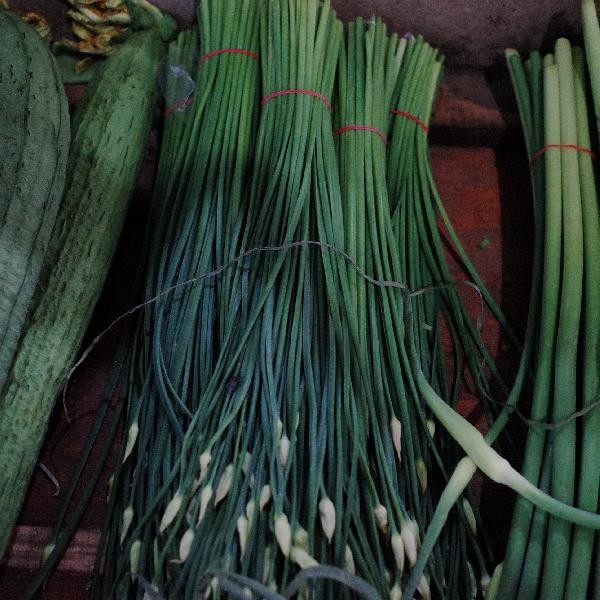
4. Peeling treatment
Directly peeling off the skin of cucumber, eggplant and other vegetables with skin can remove the attached pesticides. The wax layer of the epidermis is prone to accumulate lipid soluble pesticides, and peeling can eliminate more than 90% of residues. Root vegetables such as carrots are recommended to be washed before peeling to avoid tool contamination of the internal flesh. This method is not applicable to leafy vegetables.
5. Special cleaning agent
Food grade fruit and vegetable cleaning agent can emulsify fat soluble pesticides. Choose compliant products containing surfactants, soak them in the specified concentration for 5 minutes, and then thoroughly rinse to avoid secondary contamination. This type of cleaning agent has a significant effect on pesticides such as cypermethrin, but it should be noted that some people may be allergic to the chemical components.
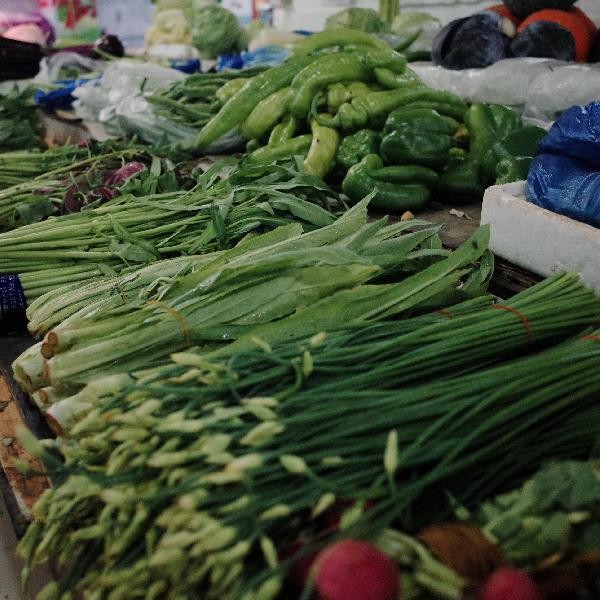
When choosing vegetables on a daily basis, it is recommended to prioritize local products of the season. If there are fewer pests, the use of pesticides is relatively low. Organic vegetables still need to be cleaned and can be processed using various methods. Ventilation and drying during storage can help some pesticides evaporate, but should not exceed 2 days. Special groups such as pregnant women and young children are recommended to increase the cleaning steps and rinse with purified water before cooking. Long term ingestion of pesticide residues may affect the nervous system, and developing scientific cleaning habits is an important measure to prevent foodborne diseases.








Comments (0)
Leave a Comment
No comments yet
Be the first to share your thoughts!