
The removal of stones from rice can be achieved through methods such as sieve filtration, manual picking, and rinsing with clean water. Mixing rice with stones may be caused by improper processing or storage, and attention should be paid to avoiding ingestion and affecting health.
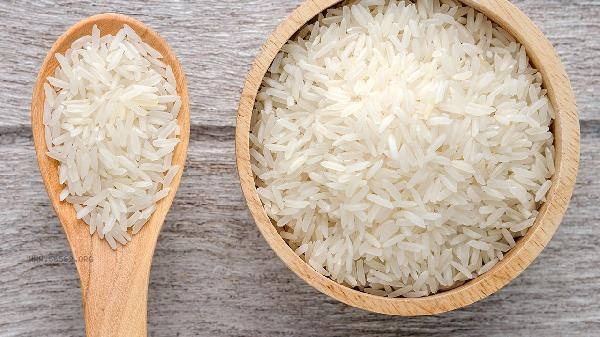
1. Screen filtration
Using a fine mesh screen is an efficient method for removing stones. Choose a sieve with a mesh diameter smaller than that of rice grains, spread the rice flat and gently shake it. The stones will be left on the sieve due to their larger volume. This method is suitable for processing large amounts of rice, but it should be noted that the mesh material should be safe and non-toxic to avoid secondary pollution.
2. Manual picking
For a small amount of rice, the rice grains can be spread out in a white container, and the stones can be identified and picked out with the naked eye using light. It is recommended to wear gloves to maintain hygiene during operation, especially paying attention to small pebbles that are similar in color to rice grains. Although this method is time-consuming, it has high accuracy and is suitable for occasions with strict requirements for rice quality.
3. Rinse with water
Pour the rice into a bowl and stir with water. The stones will sink to the bottom due to their high density. After changing the water 2-3 times, tilt the container and pour out the upper layer of rice grains, and concentrate the residue at the bottom for treatment. Pay attention to completely submerging the rice with water, and the rinsing time should not be too long to avoid nutrient loss.
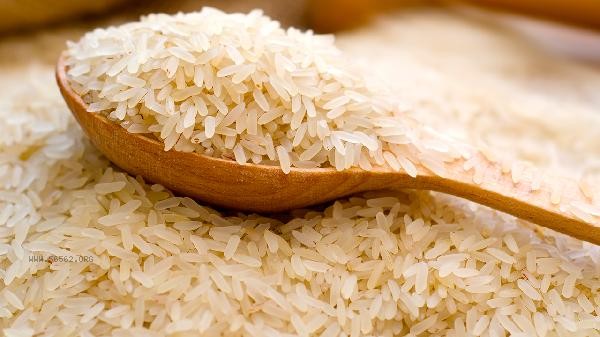
4. Magnetic suction assistance
If there is suspicion of metal impurities such as iron shavings, you can use a magnet wrapped gauze to slowly move and adsorb them in the rice. This method is ineffective for ordinary stones, but it can remove metal debris that may be mixed in during the processing, making it a suitable supplementary cleaning method for industrial processing scenarios.
5. Professional equipment
Commercial color sorting machines can efficiently sort out impurities of different colors through optical recognition, while household small stone removal machines use the difference in specific gravity to separate stones. This type of equipment is suitable for households or merchants who frequently handle large quantities of grain, and when purchasing, attention should be paid to energy consumption and noise indicators.
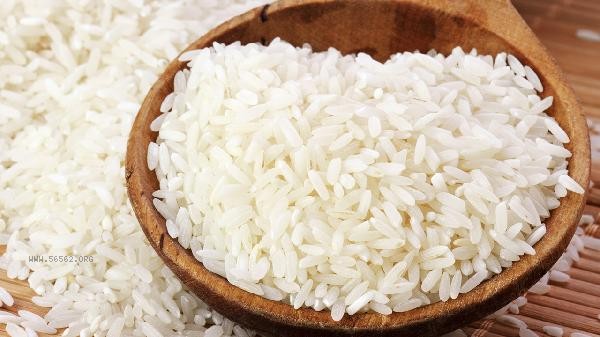
Rice should be stored in a sealed container in a cool and dry place for daily use, and regularly checked for insect infestation or clumping. It is recommended not to wash rice more than three times to avoid loss of vitamin B group. If a large amount of impurities are found, contact the supplier to verify the quality. Long term consumption of rice containing impurities may damage tooth enamel or cause gastrointestinal discomfort. It is recommended that elderly and children undergo double careful examination before consumption. If symptoms such as abdominal pain occur due to ingestion of sharp foreign objects, seek medical attention promptly.








Comments (0)
Leave a Comment
No comments yet
Be the first to share your thoughts!