
Leeks can be dehydrated through methods such as squeezing, drying, blanching, salting, or wrapping for adsorption. These methods can effectively reduce the excess water in chives, making it easier for subsequent cooking or storage.
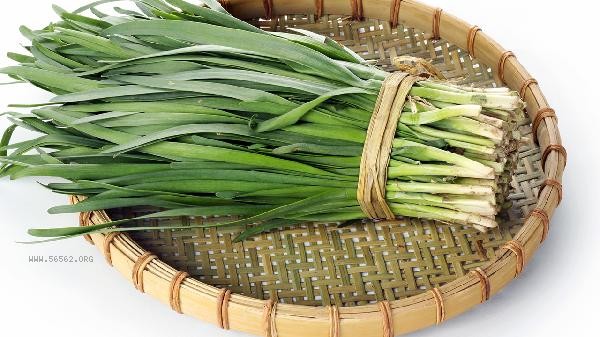
1. Squeeze
After cutting the cleaned chives into sections, gently squeeze them with a tool such as gauze and wring them dry. Use physical pressure to remove moisture. This method is suitable for scenarios that require rapid water removal, but attention should be paid to the strength to avoid damaging the fiber structure of chives.
2. Drying
Spread out the chives and let them dry naturally in a well ventilated and cool place. Direct sunlight can cause nutrient loss. The drying time is adjusted according to the environmental humidity and usually takes several hours, suitable for situations where there is no urgent need to use.
3. Blanching
Quickly blanch in boiling water for 10-20 seconds, then immediately supercool to remove oxalic acid and control water. After blanching, use a strainer to drain thoroughly, or use kitchen paper to remove surface water droplets.
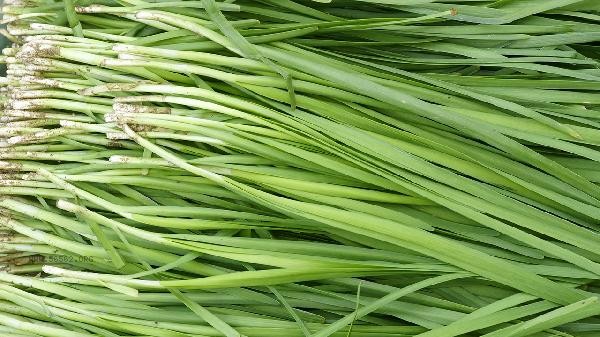
4. Salt marinate
Cut chives and mix them with a small amount of salt. Let them stand for 5 minutes. The salt penetration will release water, then rinse with water and squeeze dry. This method can also enhance the crispy and tender taste of chives.
5. Wrap and adsorb
Wrap the chives with clean cotton cloth or kitchen paper, and use absorbent materials to absorb surface moisture. Replacing the adsorbent material 2-3 times yields better results and is suitable for processing small amounts of high-quality chives.
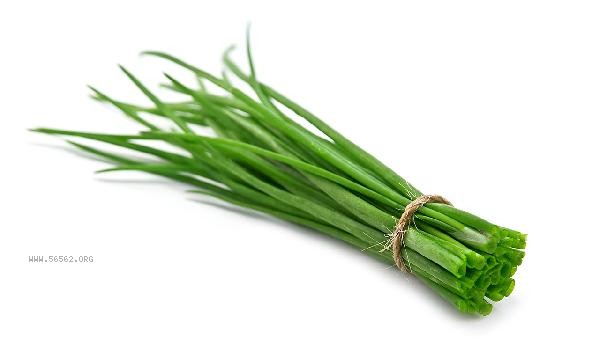
Processed chives should be used as soon as possible or sealed and stored in refrigeration to avoid secondary moisture. Different cooking needs can choose corresponding methods, such as making dumplings suitable for salting and squeezing water, and cold dishes suitable for blanching. Pay attention to keeping the kitchen utensils clean during operation, removing moisture while maximizing the retention of active substances such as sulfides in chives. It is recommended to store in a breathable container to prevent condensation from causing spoilage.








Comments (0)
Leave a Comment
No comments yet
Be the first to share your thoughts!