
When milk is stuck on the bottom of a pot, it can be removed using methods such as baking soda, white vinegar, lemon juice, etc. The protein and sugar in milk are prone to adhere to the bottom of the pot after high-temperature coking, and the appropriate method should be selected according to the degree of coking. Baking soda is the first choice for handling mild burnt matter. Mix baking soda and water into a paste and apply it to the burnt area. Let it stand and scrub it off. Baking soda's weak alkalinity can decompose protein coking products, making it safe for stainless steel and ceramic pots, but aluminum pots should be used with caution to avoid oxidation. If the coke layer is thick, it can be repeated and wiped with a soft cloth to avoid scratching the pot surface.

Stubborn burnt paste can be dissolved by heating with white vinegar. Boil water and white vinegar in the pot, then turn off the heat and soak. Acetic acid can soften the carbonized layer. This method is suitable for corrosion-resistant materials such as cast iron pots, and the soaking time is adjusted according to the degree of burning. It can usually be easily removed after half an hour. Be careful to avoid mixing vinegar with salt as it may produce corrosive substances. Lemon juice is suitable for handling moderately burnt and deodorized scenes. Fresh lemon slices can be boiled with water, and citric acid can both decompose coke and neutralize the milky smell. Glass or enamel pots are suitable for this method. After boiling, they need to be naturally cooled before cleaning. If the coke layer is not completely detached, it can be lightly scraped with a wooden shovel, and metal tools are prohibited to prevent leaving marks.
For severe carbonization, the coke layer can be softened by soaking it in clean water overnight, and then cleaned with a wooden shovel the next day before using the above method. Multi layer composite bottom cookware should avoid prolonged soaking to prevent delamination. After cleaning, rinse thoroughly with neutral detergent to avoid residual cleaning agents affecting subsequent cooking.
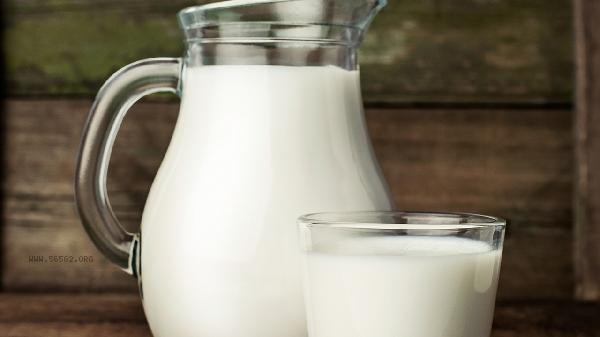
For daily cooking of milk, it is recommended to use a thick bottomed pot and stir over low heat throughout the process to fundamentally prevent the pot from sticking. After cleaning, the cookware should be dried and stored, and the surface of the metal cookware should be regularly maintained with edible oil. If the burnt material seriously damages the coating of the pot or causes deformation, it is recommended to replace the pot with a new one to ensure food safety.









Comments (0)
Leave a Comment
No comments yet
Be the first to share your thoughts!