
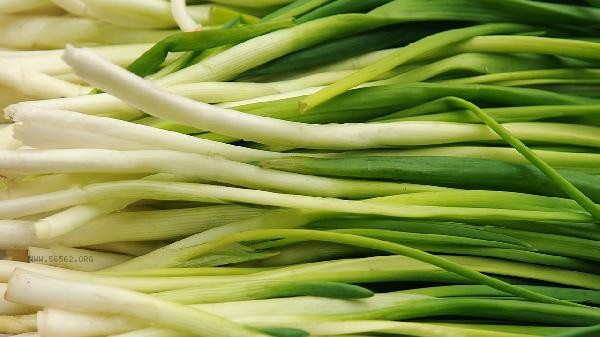
Removing the smell of leek can be achieved by rinsing the mouth, chewing specific foods, drinking specific drinks, using oral cleaning tools, adjusting dietary structure, and other methods. The sulfides in chives are the main cause of bad breath, which can be effectively alleviated through targeted treatment.

1. Rinse mouth
Use mouthwash containing chlorhexidine to neutralize sulfides and reduce oral odor. Rinsing with diluted salt water or tea can temporarily mask odors, but the effect is short-lived. It is recommended to rinse your mouth immediately after eating, with a focus on cleaning the tongue coating and gaps between teeth.
2. Chewing Food
Raw fruits and vegetables rich in polyphenols, such as apples and celery, can oxidize sulfides. Chewing raw peanuts, almonds, and other nuts can adsorb odor molecules. Herbal foods such as mint leaves and cilantro can also temporarily freshen your breath.
3. Drinking beverages
The tea polyphenols in green tea can decompose sulfides, and the acidic environment of lemon water inhibits bacterial growth. The fat in whole milk can encapsulate odor molecules, while the probiotics in yogurt regulate the balance of oral microbiota.
4. Cleaning tool
Floss removes residual fibers from the gaps between teeth, and tongue scraping reduces the accumulation of sulfides on the tongue coating. Electric toothbrushes are better at removing stubborn food residues than manual toothbrushes, and they work even better when combined with baking soda toothpaste.
5. Dietary adjustment
Avoid eating chives with garlic and onions to increase sulfide concentration. Eating enzyme rich fruits such as kiwi and pineapple after meals helps with digestion and reduces the accumulation of stomach odor. Long term breath problems require investigation of gastrointestinal diseases.

Maintaining oral hygiene is the foundation for preventing leek odor and bad breath. It is recommended to brush your teeth twice a day using the Babbitt method and use dental floss to clean the gaps between your teeth. Rinse your mouth with warm water immediately after meals and regularly perform professional teeth cleaning. People with weak gastrointestinal function should control their intake of chives, and seek medical examination if accompanied by symptoms such as acid reflux and belching. You can carry sugar free chewing gum or mint with you in daily life for emergencies, but it is not advisable to rely too much on them. Long term effective breath management requires a combination of good oral hygiene habits and maintenance of digestive system health.








Comments (0)
Leave a Comment
No comments yet
Be the first to share your thoughts!