
The key to using a walnut clip to remove a complete walnut kernel is to control the force and find the correct position. To fully extract kernels, it is necessary to master methods such as gripping angles, striking techniques, peeling techniques, staged operations, and tool assistance.
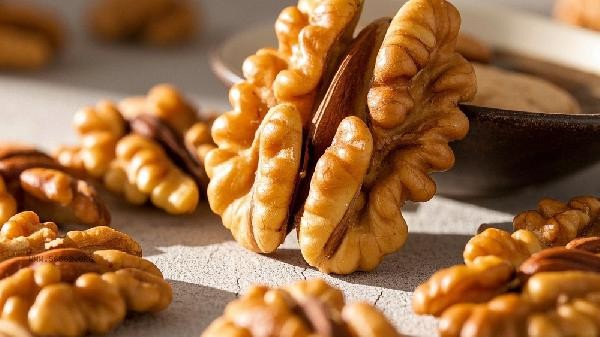
1. Grip angle
Place the walnut longitudinally in the clip groove, making the suture line perpendicular to the clamp teeth. Press down on the bottom of the walnut with your thumb, apply even force with the other four fingers, and stop when you hear a slight cracking sound. This angle can maintain uniform cracking of the shell and avoid fragmentation of the kernel. Green skinned walnuts can be air dried for three days to reduce moisture and facilitate complete peeling.
2. Knocking Techniques
After cracking, use a rubber hammer to lightly tap the crack, rotating 45 degrees every two strikes. The walnut shell will split open in a petal shape. At this time, use blunt tipped tweezers to insert into the gap and gently shake left and right. Thicker walnuts can be microwave heated for 20 seconds to separate the inner shell from the kernel.
3. Shell peeling technique
starts from the largest fragment and advances along the inner wall curve with the thumb nail. When encountering adhesions, use a bamboo stick to gently pick horizontally and remove the hemispherical kernel completely. Paper walnut can be easily broken by hand, but cotton gloves are required to prevent slipping. Aged walnuts can be steamed for three minutes to soften the inner wall.
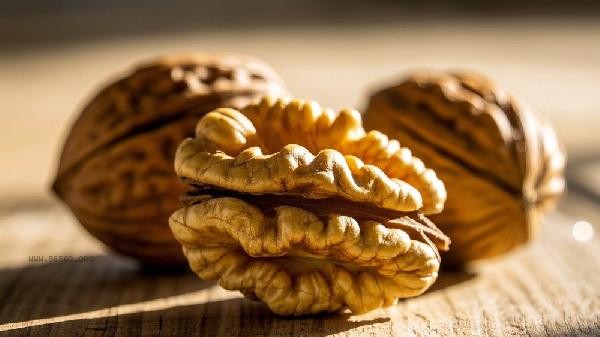
4. Staged operation
Leave a 1mm gap during the initial clamping, and rotate 90 degrees during the secondary clamping. Gradual opening in three stages can reduce impact force, especially suitable for thin skinned walnuts. Iron walnuts need to be soaked in salt water for ten minutes before the second clamping to enhance shell toughness.
5. Tool assisted
can be used in conjunction with elbow nut picking needles to clean the remaining broken kernels in the shell seam. When the electric walnut clip is set to low gear, it automatically stops at the third gear pressure for optimal shape retention. It is recommended to freeze wild walnuts for one hour before processing to reduce their oil viscosity.
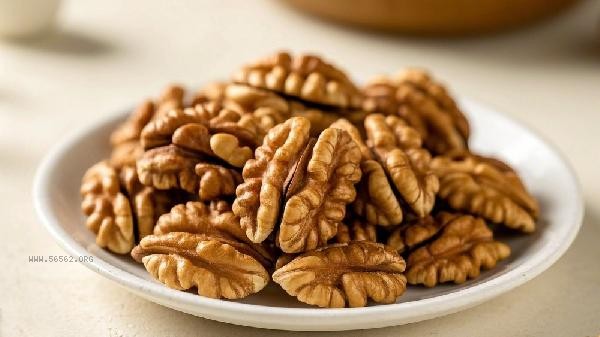
Choosing walnuts with a flat bottom and obvious stitching lines is easier to handle. Fresh walnuts with high moisture content can be dried in the shade for two days and rubbed before clamping to loosen the shell film. It is recommended to refrigerate the processed walnut kernels and consume them within seven days to preserve their complete nutrition. Daily consumption should be controlled within 20 grams to avoid excessive intake of fats. Pay attention to protecting your fingers during the hatching process, and children should operate under adult supervision. Walnut shells can be crushed and used for horticultural paving, achieving resource recycling.








Comments (0)
Leave a Comment
No comments yet
Be the first to share your thoughts!