
Removing impurities from shiitake mushrooms can be achieved through methods such as rinsing with running water, soaking in salt water, adsorbing flour, trimming knives, and blanching. The surface of shiitake mushrooms is prone to impurities such as sawdust and sediment, and the appropriate method should be selected according to the type of impurities.
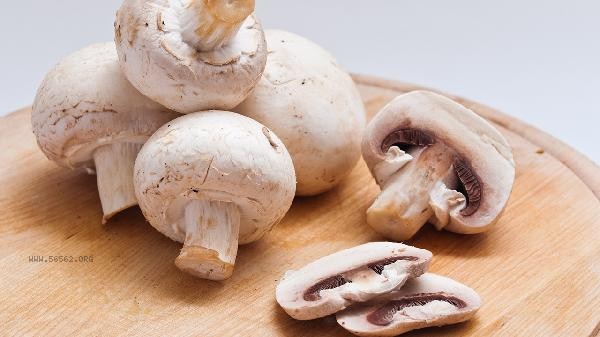
1. Rinse with running water
Place the mushroom umbrella cover facing down under flowing water and gently rub the wrinkled area with your fingers. The water pressure should not be too high to avoid damaging the tissue structure of shiitake mushrooms. The bottom of the umbrella handle needs to be washed thoroughly, as there are often residual wood chips from the cultivation substrate in this area. Immediately use kitchen paper to absorb surface moisture after rinsing, to prevent excessive water absorption from affecting the taste.
2. Salt water immersion
Soaking in light salt water for 15 minutes can promote impurity detachment, and the salt concentration should be controlled at around 3%. Saltwater can penetrate into the gaps between bacterial folds, soften attachments, and drive away possible tiny insect eggs. After soaking, rinse twice with clean water to avoid residual salt affecting subsequent seasoning.
3. Flour Adsorption
Dried shiitake mushrooms can be treated with flour wrapping method. Put the mushrooms and two spoons of flour into a sealed bag and shake. Flour particles can adsorb dust in folds, making them particularly suitable for processing dried shiitake mushrooms. This method is not suitable for fresh shiitake mushrooms, as flour will form a paste when it comes into contact with water, which can contaminate the mushroom body.
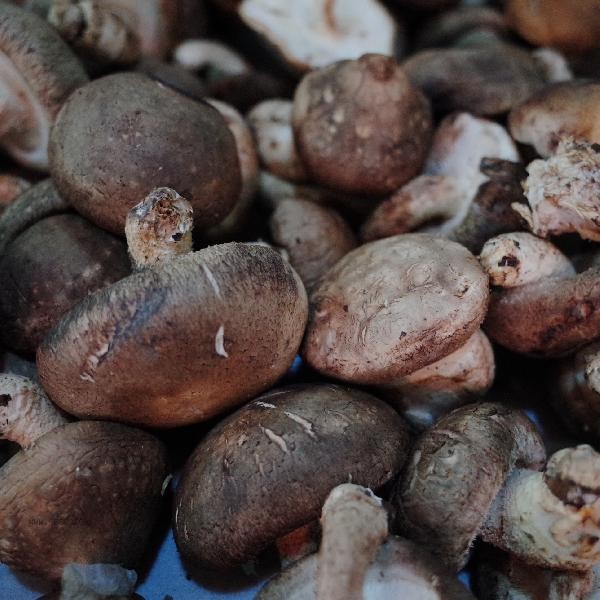
4. Tool trimming
For the hardened part at the bottom of the umbrella handle, simply cut off about 1 centimeter with a knife. The hard parts are mostly aged mycelium, with a rough texture and easy accumulation of dirt and grime. When trimming, keep the blade perpendicular to the mushroom stem to avoid waste caused by oblique cutting.
5. Blanching treatment
Rapid blanching in boiling water for 10 seconds can loosen impurities and kill surface microorganisms. Immediately supercooling after blanching can maintain a crispy and tender taste, and this method is suitable for fresh mushrooms that are about to be used for stir frying. Note that blanching for too long can lead to the loss of umami substances.
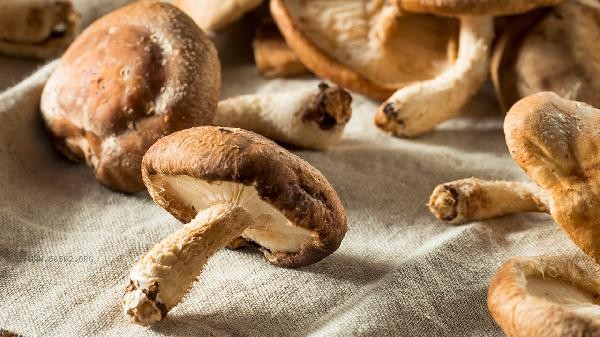
It is recommended to prioritize using physical cleaning methods for daily processing of shiitake mushrooms to avoid residual chemical cleaning agents. Dried shiitake mushrooms need to be soaked in warm water in advance. After the soaking water settles, take the upper clear liquid to retain some of the umami substances. Keep dry and ventilated during storage, as a humid environment can easily lead to mold growth. Clean before cooking, premature cleaning can accelerate spoilage. For organically cultivated shiitake mushrooms, simple rinsing can meet hygiene requirements, and excessive treatment can actually damage nutrition.








Comments (0)
Leave a Comment
No comments yet
Be the first to share your thoughts!