
Removing fish bones and bones can be achieved through methods such as knife cutting, tweezer picking, hand touching, steaming softening, vinegar soaking softening, etc. Patience should be maintained during operation to avoid the risk of accidental ingestion caused by residual fish bones.
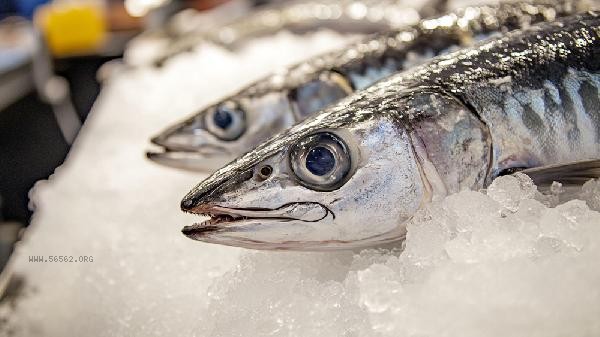
1. Knife cutting method
Cut open the fish along the central axis of the body, lay it flat, and use the blade to diagonally press the fish bone at a 45 degree angle to horizontally slice the fish meat. When dealing with fish with ribs, the knife should be cut down along the direction of the ribs. For slender fish such as cod, the abdomen can be cut off first and then processed in sections. The knife cutting method is suitable for decomposing whole fish, but requires a certain level of knife skills.
2. Use pointed tweezers to finely process cooked fish meat, especially suitable for small and prickly varieties such as crucian carp. When picking up, it is necessary to quickly pull out the fish bones in the opposite direction of their growth. Mature fish bones will appear semi transparent and easier to identify. This method is most suitable for dishes such as steamed fish that maintain their shape.
3. Hand Touch
Wash your hands and gently stroke the surface of the fish meat with your fingertips. If you encounter any protrusions, use your nails to push upwards against the base of the fish bones. Suitable for fish with prominent spines such as sea bass, the fish can be refrigerated for 20 minutes before processing to make it easier to perceive the location of bone spurs when the meat shrinks.
4. Steaming and softening

After steaming the fish for 10 minutes, the muscle fibers relax, making it easy to separate the fish meat from the main bone with chopsticks. For species such as tilapia with more muscle spines, the steaming time can be extended to 15 minutes to make the fine spines cartilaginous, but the time should be controlled to avoid the fish meat being too tender.
5. Vinegar immersion softening
Soak raw fish slices in a 1:3 ratio of white vinegar and water for 15 minutes. Acetic acid can partially dissolve the calcium in the fish bones. This method has obvious effect on small fish bones such as sardine. After treatment, it needs to be washed to avoid acid residue, which is not suitable for fish with delicate meat.
After processing, it is recommended to use light transmission inspection for fish meat. Children and the elderly need to confirm again that there are no bone spurs residue before consumption. Choosing varieties with fewer fish bones, such as Longli fish and Basha fish, can reduce processing difficulty. Adding ginger slices or lemon juice during cooking can help separate fish meat from bones. In case of fish bone stuck throat, stop eating immediately, avoid swallowing Rice and vegetable roll and other wrong operations, and seek medical treatment in time.









Comments (0)
Leave a Comment
No comments yet
Be the first to share your thoughts!