
The butter on beef intestines can be removed by methods such as hot water washing, salt scrubbing, and flour adsorption. When butter adheres to the surface of cow intestines, a combination of physical cleaning and chemical dissolution can be used to ensure cleaning effectiveness and reduce nutrient loss.
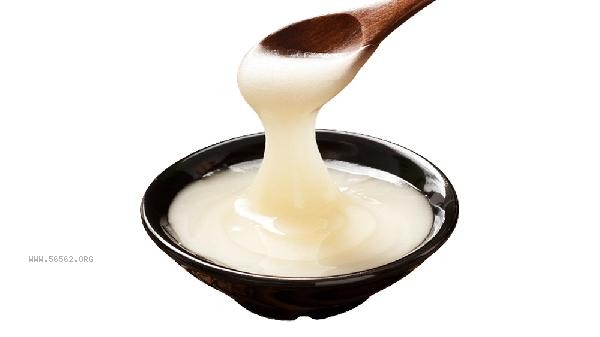
1. Hot water hot washing
Soak beef intestines in hot water at 60-70 ℃ for 3-5 minutes. High temperature can soften the adipose tissue. At this point, rinsing with running water and flipping the intestinal wall with chopsticks can effectively remove most of the oil. Note that the water temperature should not exceed 80 ℃ to avoid protein denaturation affecting the taste. This method is particularly suitable for processing fresh beef sausages used in hot pot, as it can preserve the elasticity of the ingredients after processing.
2. Salt scrubbing
The physical friction of coarse salt particles can damage the membrane of adipocytes. Take 20g of salt and evenly sprinkle it on the surface of the beef intestines. Wear food grade rubber gloves and rub repeatedly for 5 minutes. After the grease forms milky white foam, rinse it. This method has a significant effect on the stubborn residue at the folds of the intestine, but the force needs to be controlled to avoid damaging the structure of the intestine.
3. Flour adsorption
The starch particles in gluten flour have strong oil absorption properties. Mix and knead the beef sausage with 50 grams of dry flour, let it stand for 10 minutes, and then rinse. The mucous membrane formed by flour gelatinization can encapsulate oil particles, making it particularly suitable for processing oxidized oils from frozen cow intestines. It is recommended to choose unbleached flour to avoid residual chemical additives.
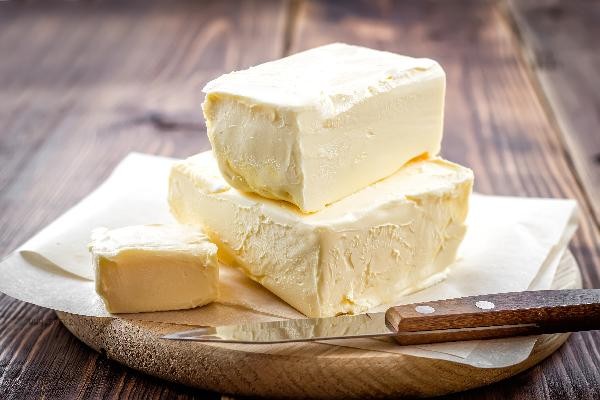
4. Soaking in vinegar
The acetic acid in white vinegar can decompose triglycerides. Dilute the beef intestines in vinegar at a ratio of 1:5 and soak for 15 minutes, then gently brush the surface with a soft bristled brush. This method has a significant effect on removing fishy odor, but soaking for too long can cause the casing to harden, and an acidic environment is more suitable for pre-treatment in subsequent brine cooking.
5. Baking soda treatment
Edible grade sodium bicarbonate solution can saponifie fats. Soak in 5% concentration baking soda water for 20 minutes, and the oil will be converted into water-soluble substances. This method thoroughly cleans but may damage B vitamins. After treatment, rinse with water at least 3 times. It is suitable for preparing cold dishes with high cleanliness requirements.
It is recommended to soak the processed beef intestines in ice water for 1 hour to enhance their crispness, and choose quick stir frying or boiling methods when cooking. Retaining an appropriate amount of intestinal wall fat can enhance flavor, but hypertensive patients should control their consumption. Regularly clean the kitchen drainage pipe to avoid oil accumulation, and use a dedicated cutting board and thoroughly disinfect when handling fresh ingredients. If abnormal color or odor is found in cow intestines, consumption should be stopped and food safety agencies should be consulted in a timely manner.








Comments (0)
Leave a Comment
No comments yet
Be the first to share your thoughts!