
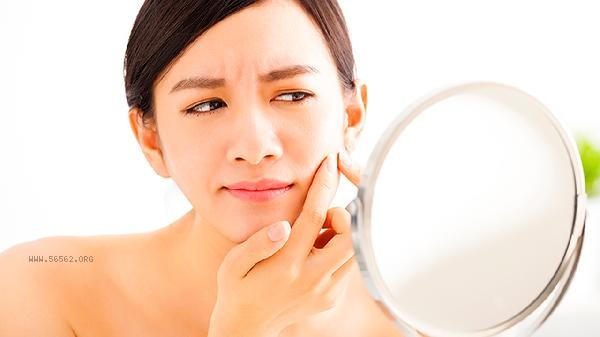
Black and red acne scars on the face can be improved through medication, physical therapy, chemical exfoliation, laser therapy, daily care, and other methods. Black red acne scars are usually caused by post inflammatory pigmentation or capillary dilation, and intervention measures should be selected according to the specific type.
1. Drug treatment
Black brown acne scars formed by pigmentation after inflammation can be treated with hydroquinone cream to inhibit tyrosinase activity, or compound arbutin cream to reduce melanin synthesis, as prescribed by the doctor. Ointment containing centella asiatica glycoside can promote skin repair and improve red acne scars. Strict sun protection is required during medication to avoid the aggravation of pigmentation. Vasodilatory red acne scars can be temporarily treated with polysaccharide sulfate cream to help shrink capillaries.
2. Physical therapy
Micro needle therapy improves depressed acne scars by stimulating collagen regeneration, and photon rejuvenation can selectively destroy hemoglobin and reduce erythema. Cold spray therapy can alleviate the burning sensation of acute red acne scars, but it needs to be performed by a professional physician. Physical therapy should be repeated every 1-2 months, and moisturizing repair should be strengthened before and after treatment.
3. Chemical exfoliation
fruit acid peels are suitable for epidermal pigmentation, and a concentration of 20% -35% can accelerate keratin metabolism. Salicylic acid skin rejuvenation is more friendly to oily skin and can also improve enlarged pores. After treatment, there is a brief period of desquamation, which requires the use of medical repair dressings. Sensitive muscles should choose lower concentrations of amygdalin acid to avoid worsening of pigmentation due to barrier damage.
4. Laser treatment
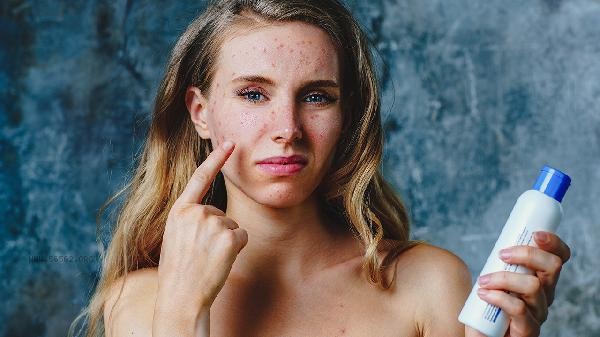
Q-switched laser can accurately decompose melanin particles, suitable for stubborn black brown acne scars. Pulse dye laser can target vascular problems and block abnormal capillaries. Dot matrix laser stimulates collagen remodeling through micro thermal injury zone, requiring 3-5 treatment courses. Temporary blackening may occur after surgery, and sun exposure should be strictly avoided.
5. Daily care
The use of essence containing vitamin C derivatives in the morning can resist oxidation, and niacinamide products can be used at night to block the transport of melanin. Physical sunscreen should be reapplied every 2-3 hours, with priority given to zinc oxide formula. Avoid mechanical irritation such as pimples and friction, and choose mild amino acid products when cleansing. Use ceramide containing facial mask 2-3 times a week to strengthen the barrier.

Acne scars usually take 3-6 months to disappear, and irritating cosmetics should be avoided during treatment. Reduce high sugar and high-fat intake in diet, and supplement vitamin E and zinc appropriately. If acne scars are accompanied by persistent redness or itching, secondary issues such as rosacea should be investigated. It is recommended to develop a combined treatment plan under the guidance of a dermatologist, and differentiated treatment methods should be adopted for acne scars at different stages.





Comments (0)
Leave a Comment
No comments yet
Be the first to share your thoughts!