
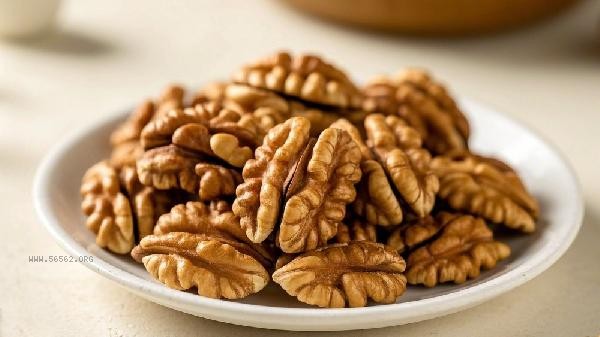
Removing astringency from walnut kernels can be achieved through soaking, blanching, baking, and other methods. The astringency of walnut kernels mainly comes from the brown seed coat on the surface, which contains tannins. Physical or chemical treatment can effectively improve the taste.
1. Soaking Method
Soak walnut kernels in warm water for half an hour to two hours, with the water temperature controlled at around 40 degrees Celsius. A small amount of salt or baking soda can be added to water, and an alkaline environment helps to decompose tannic acid. Stir appropriately during the soaking process, replace with clean water after the water becomes turbid, and repeat the operation until the water quality is clear. This method can retain more nutrients and is suitable for direct consumption or making cold dishes.
2. Blanching method
After boiling water in a pot, add walnut kernels and keep boiling for 1-2 minutes. High temperature can quickly dissolve the astringent substances in the seed coat, and a small amount of edible alkali can be added to water to enhance the effect. Immediately rinse with supercooled water after blanching, which can both terminate the heating process and flush away surface residues. This method has high efficiency, but some water-soluble vitamins may be lost.
3. Baking Method
Spread walnut kernels flat on a baking tray and bake in a preheated oven at 150 degrees Celsius for 8-10 minutes. Heat can cause the oxidation and decomposition of tannins, while also stimulating the nutty aroma. During the baking process, it is necessary to flip it to ensure even heating and avoid local burning. The walnut kernels processed by this method have a crispy texture and are suitable for use as snacks or baking ingredients.
4. Fermentation Method
Mix walnut kernels with rice wine or yeast solution, seal and place in a 25 degree environment for fermentation for 24 hours. Enzymes produced during microbial metabolism can degrade astringent components and generate flavor compounds. After fermentation, rinse thoroughly with clean water, air dry and consume. This method can give walnut kernels a special flavor, but it requires high operational requirements.
5. Peeling method
Soak walnut kernels in hot water for 10 minutes, then gently rub with your fingers to remove the brown seed coat. You can also wrap wet walnut kernels in kitchen paper towels and rub them repeatedly to remove the skin. Completely removing the seed coat can completely solve the problem of astringency, but it will result in the loss of some polyphenolic nutrients. The peeled walnut kernels are white in color and suitable for making pastry fillings.
It is recommended to seal and store the processed walnut kernels in a cool and dry place to avoid moisture and spoilage. The recommended daily intake is 20-30 grams, which can be paired with oats, yogurt, and other nutritional supplements. People with weak gastrointestinal function should choose cooking methods such as baking or blanching. People with yin deficiency and strong fire constitution can pair them with nourishing yin ingredients such as lilies and Tremella fuciformis. If you are allergic to nuts or experience oral mucosal irritation, you should immediately stop eating and rinse your mouth.








Comments (0)
Leave a Comment
No comments yet
Be the first to share your thoughts!