
Peanuts that regain moisture and are not crispy can be remedied by heating, drying, freeze-drying, adding desiccants, and other methods. The main influencing factors include storage environment humidity, moisture content of peanuts, and the timeliness of remedial measures.
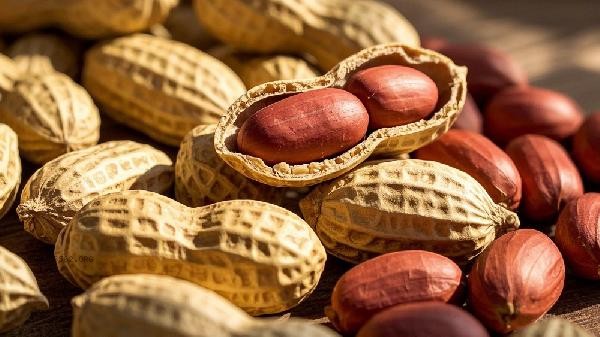
1. Heating and drying
Spread the rehydrated peanuts flat on a baking tray or microwave container, and remove moisture by low-temperature baking or short-term microwave heating. The oven can be adjusted to around 100 degrees Celsius for baking for 10 minutes, and then heated on high heat in the microwave for 30 seconds before flipping and repeating the operation. This method can quickly restore crispness, but attention should be paid to avoiding excessive temperature that may cause burning. After heating, it needs to be thoroughly cooled and sealed for storage to prevent secondary moisture.
2. Freeze Dehydration
Put peanuts into sealed bags and place them in the freezer compartment of the refrigerator. The low temperature environment can cause moisture to condense and precipitate. After freezing for 12 hours, take it out and let it stand at room temperature. The water droplets on the surface of the peanuts need to be dried with kitchen paper. This method is suitable for situations where it is slightly damp and not urgently needed for consumption. Low temperature treatment can maximize the preservation of the original flavor, but the dehydration effect is slower than heating method.
3. Add desiccant
Lay food grade desiccant or undercooked rice on the bottom of the storage container, and seal the peanuts for storage. Desiccants can continuously absorb moisture from the environment and are suitable for preventing moisture regain during long-term storage. The use of strong desiccants such as quicklime should be isolated with gauze to avoid direct contact with peanuts. Regularly replacing desiccants can maintain moisture resistance.
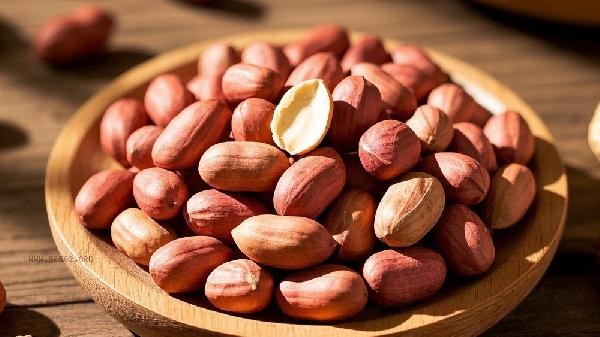
4. Fry and Crispy
Put the rehydrated peanuts in cooking oil at 160 degrees Celsius for a short period of time, fry again, remove and drain the oil, sprinkle a small amount of salt. Deep frying can quickly evaporate the surface moisture, forming a crispy shell. This method is suitable for scenarios with high taste requirements, but it will increase the intake of oil and requires strict control of oil temperature to avoid burning.
5. Ventilate and air dry
On sunny days, spread the peanuts on a bamboo sieve and place them in a ventilated and cool place to air dry naturally. Ultraviolet radiation can inhibit the growth of mold, and airflow can take away some moisture. This method is time-consuming but does not require additional equipment, making it suitable for areas with drying conditions such as rural areas. At night, it should be taken back to avoid secondary moisture from dew, and continuous drying for 2-3 days can improve the taste.
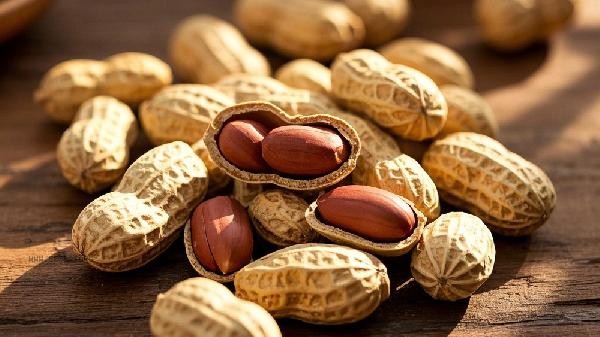
To prevent peanut moisture regain, it is recommended to choose storage containers with good sealing properties. It is suggested to use glass or metal cans with silicone sealing rings. The storage environment should be kept dry and cool, avoiding close proximity to damp and hot areas such as stoves. Peanut that cannot be consumed in the short term can be divided into small portions and frozen for storage. After each use, it should be sealed promptly. If the peanuts have become moldy or have a rancid taste, they are not edible. The aflatoxin produced by mold is heat-resistant and highly carcinogenic. Choosing to peel peanuts with shells on your own during daily purchases can extend their shelf life. It is recommended to consume opened packaged peanuts within two weeks.








Comments (0)
Leave a Comment
No comments yet
Be the first to share your thoughts!