
Rice undercooked can be remedied through methods such as reheating, microwave heating, and steaming over water. Jiasheng rice is usually caused by insufficient water or improper cooking, and timely processing can restore its taste and nutrition.
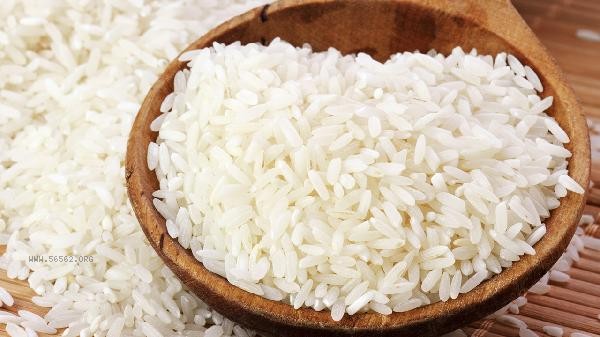
1. Return to the pot and simmer
Transfer the undercooked rice to the pot, sprinkle a small amount of warm water evenly, and the amount of water should just submerge the surface of the rice grains. Cover the pot and simmer over low heat until steam rises. Continue heating and use steam to penetrate the rice grains, allowing them to absorb water and soften. During the process, the rice can be flipped to ensure even heating and avoid local burning. This method is suitable for mild undercooked rice with intact cookware, and can maximize the preservation of the original flavor of the rice.
2. Microwave Heating
Loosen the rice and place it in a microwave oven specific container, covered with moist kitchen paper or cling film on the surface. After heating at medium high heat, let it stand and use microwave to generate heat by high-speed movement of water molecules, which promotes the re gelatinization of starch. Remove and mix the rice grains before heating, repeating until there are no hard cores. This method is fast, but attention should be paid to controlling the time. Excessive heating can cause water loss and exacerbate drying.
3. Steaming over water
Place the undercooked rice on a steamer cloth and heat it in a boiling water steamer over water. The steam temperature is stable at around 100 degrees, which can gently promote the uniform ripening of rice grains from the outside to the inside. During steaming, a small amount of water can be sprayed to supplement humidity, and the condition of the rice grains should be checked after about 15 minutes. This method is particularly suitable for situations where the bottom of the rice cooker is gelatinized but the upper layer is sandwiched, which can avoid the risk of secondary gelatinization.
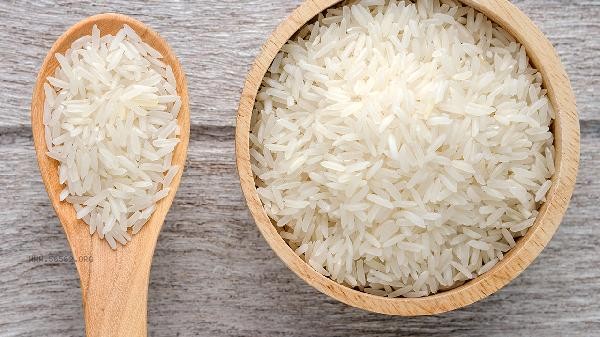
4. Making Fried Rice
Stir the mixed rice with eggs, vegetables and other ingredients, and disperse and dehydrate the rice grains through fat wrapping and high temperature quick frying. Add a small amount of liquid seasoning sauce during frying, and use the pot air to promote the conversion of remaining starch. This method can cleverly transform taste defects, but attention should be paid to the heat to avoid coking, as there is relatively more loss of nutrients.
5. Processed Congee
sandwich rice boiled with water and then turned to low heat for slow boiling. The rice grains gradually expanded and cracked under the continuous thermal effect. Starch based ingredients such as pumpkin and yam can be added to enhance thickening, or paired with minced meat to improve flavor. The cooking process requires constant stirring to prevent sticking to the pot, ultimately forming a uniformly textured gelatinized structure, suitable for handling severely undercooked or large quantities of rice.
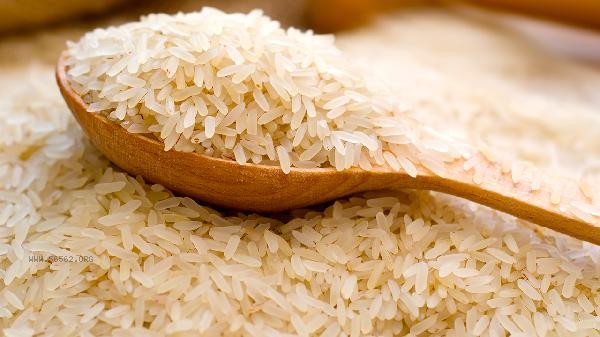
To prevent undercooked rice, attention should be paid to controlling the ratio of rice to water. Japonica rice is usually soaked in water at a ratio of 1:1.2, and it is easier to cook it thoroughly after soaking. When using a rice cooker, avoid frequently opening the lid. After cooking, stewing helps to evenly distribute the remaining heat. If the phenomenon of overlapping occurs repeatedly, it is recommended to check the sealing of the cookware or replace it with a cookware with more uniform thermal conductivity. Processed rice should be consumed as soon as possible, as repeated heating can accelerate starch aging and affect digestion and absorption.





Comments (0)
Leave a Comment
No comments yet
Be the first to share your thoughts!