
Red beans that are not fully cooked can be remedied by extending the cooking time, soaking them in advance, or using a pressure cooker. Red beans have a relatively hard texture and are prone to external softness and internal hardness during cooking, mainly due to factors such as red bean variety, storage time, and water hardness. Extending the cooking time is the most direct remedy. Continue to simmer the uncooked red beans over low heat, paying attention to the amount of water and avoiding drying the pot. During the cooking process, it can be stirred appropriately to help the red beans heat evenly. This method is suitable for situations where there is ample time, but attention should be paid to controlling the heat to prevent the red beans from becoming burnt. Using a clay pot or a thick bottomed pot is more conducive to evenly transferring heat. Pre soaking can significantly shorten the cooking time. Soak the red beans in clean water for 6-8 hours, and in summer, they can be refrigerated and soaked. After soaking, the volume of red beans will expand, and the cell structure will become loose, making it easier to cook until it rot. If time is tight, soak in warm water for 2-3 hours, which is more effective than cold water. When soaking, the water should be sufficient, at least 3-5 centimeters higher than the red beans, to avoid exposing the red beans to the air after absorbing water. A pressure cooker can quickly soften red beans. Put the washed red beans into a pressure cooker, add water to cover the ingredients by 2-3 centimeters, and then turn to low heat and press for 15-20 minutes. The boiling point of water increases in high-pressure environments, which can more quickly damage the cell wall structure of red beans. Check the sealing of the pressure cooker before use to ensure safety. After turning off the heat, naturally release the pressure and do not force cooling to avoid affecting the taste. Adding a small amount of edible alkali can accelerate the cooking of red beans. Adding edible alkali the size of soybeans to boiling water can change the pH value of the water and help break down the cellulose in red beans. But this method will destroy some B vitamins and is not suitable for frequent use. People with poor kidney function should avoid consuming red beans that have been treated with alkali. After use, rinse several times with clean water to remove the alkaline odor. The freezing method can make red beans easier to cook until they are tender. Drain the soaked red beans and freeze them in the refrigerator for at least 2 hours. During the freezing process, water crystallization can damage the cell structure. Put it directly into boiling water during cooking, saving half of the time compared to conventional methods. Frozen red beans are more suitable for Red bean soup and other dishes that need to be completely soft and rotten, but the appearance may not be as complete.
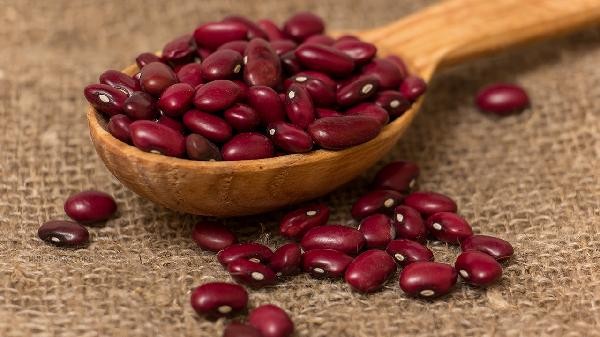
Red beans do not need to be discarded when they are not fully cooked, and can be remedied by adjusting the cooking method. Red beans should be stored in a cool and dry place for daily use to avoid moisture or insect infestation. Newly produced red beans are easier to cook than aged ones, so be sure to choose varieties with plump grains and bright colors when purchasing. Remove bad beans and impurities before cooking, and rinse thoroughly with running water. Red beans are rich in dietary fiber and plant protein. Moderate consumption can help with gastrointestinal motility, but people with indigestion should control their intake. Cooking with glutinous rice and red dates can improve taste and increase nutritional value.








Comments (0)
Leave a Comment
No comments yet
Be the first to share your thoughts!