
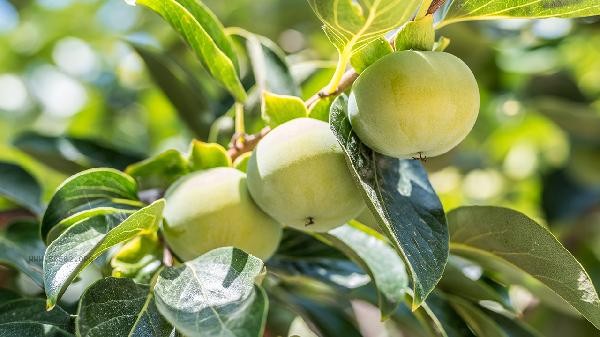
Eating unripe persimmons may cause gastrointestinal discomfort, which can be alleviated by drinking warm water, consuming easily digestible foods, and massaging the abdomen appropriately. Immature persimmons contain a high amount of tannic acid, which can easily combine with stomach acid to form hard lumps, leading to symptoms such as bloating and abdominal pain. Drinking warm water can help dilute the concentration of tannic acid in the stomach and reduce the probability of tannic acid binding to proteins to form precipitates. It is more appropriate to control the water temperature at around 40 degrees Celsius. Drink 200 milliliters each time and repeat every half hour. Warm water can promote gastrointestinal peristalsis and help undigested substances to be excreted downwards, but it should not be consumed excessively to avoid diluting stomach acid and affecting digestive function.

Choosing digestible food such as rice porridge and noodles can form a protective film to cover the surface of gastric mucosa. This type of food has a soft texture and does not increase the burden on the gastrointestinal tract. The starch it contains can combine with some tannic acid to reduce irritation. When eating, chew carefully and swallow slowly, and control the amount of food consumed each time to about half of the usual amount. After the discomfort subsides, resume normal eating. Clockwise massage of the abdomen can promote intestinal peristalsis and accelerate the excretion of tannic acid. During massage, keep your palms warm and apply enough force to feel a slight depression in your abdomen. Massage in a circular motion around your navel for about 10 minutes. This method is particularly suitable for mild abdominal distension, but if the abdominal pain is severe, it needs to be stopped immediately. If symptoms such as persistent vomiting, severe abdominal pain, or bloody stools occur, gastric persimmon stones may have formed and prompt medical treatment is necessary. When the persimmon stones in the stomach are large, they need to be removed through gastroscopy, and the presence of underlying diseases such as gastrointestinal ulcers should be ruled out. Children and the elderly have weaker gastrointestinal function and are more prone to complications after consuming unripe persimmons. It is recommended to seek medical attention and examination as soon as possible.
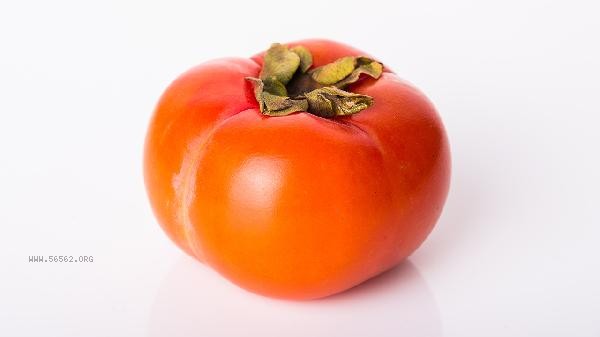
In daily life, attention should be paid to identifying the maturity of persimmons. Fully ripe persimmons have a bright orange red skin and soft, non astringent flesh. When fasting, the acidity of the gastrointestinal tract is higher, making it more prone to react with tannic acid. Therefore, it is advisable to avoid consuming persimmons on an empty stomach. People with weak gastrointestinal function can eat without skin, as persimmon skin has the highest content of tannic acid. When storing persimmons, they can be placed together with fruits such as apples that release ethylene to accelerate the ripening process. Within 24 hours after experiencing mild discomfort, it is advisable to choose a low fiber diet to avoid spicy and stimulating foods that can increase the burden on the gastrointestinal tract. Proper supplementation of probiotics can help restore the balance of gut microbiota.








Comments (0)
Leave a Comment
No comments yet
Be the first to share your thoughts!