
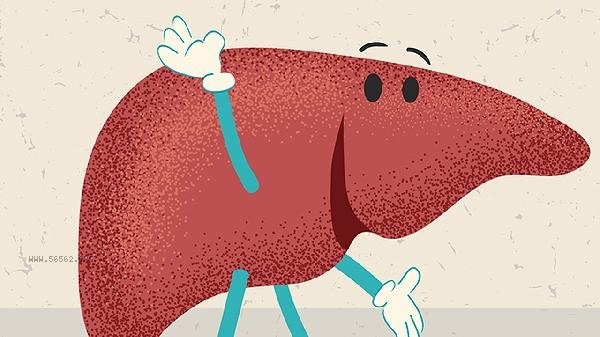
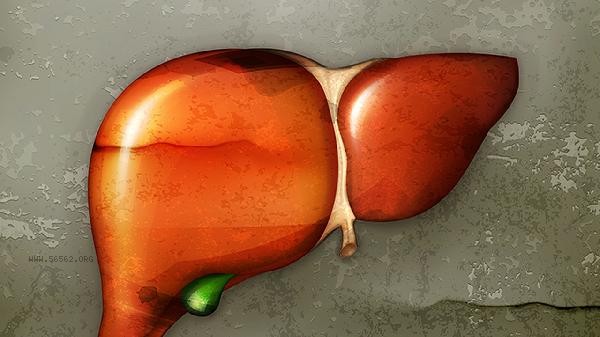
Reducing fatty liver, reducing belly fat, and losing weight can be achieved through adjusting diet, increasing exercise, controlling weight, improving lifestyle habits, and medical intervention when necessary. Fatty liver may be related to factors such as obesity, high-fat diet, and lack of exercise, usually manifested as symptoms such as fat accumulation and abdominal distension.
1. Adjust diet
Reduce the intake of high-fat and high sugar foods, and increase the intake of vegetables, fruits, whole grains, and high-quality protein. Avoid fried foods, desserts, sugary drinks, etc., and choose healthy ingredients such as low-fat milk, chicken breast, fish, etc. Controlling daily total calorie intake and maintaining a balanced diet can help reduce visceral fat accumulation and improve fatty liver.
2. Increase Exercise
Engage in at least 150 minutes of moderate intensity aerobic exercise per week, such as brisk walking, swimming, cycling, etc. Combining strength training to enhance muscle mass and improve basal metabolic rate. Exercise helps to burn excess fat, reduce abdominal fat accumulation, improve insulin sensitivity, and has a positive effect on reversing fatty liver.
3. Weight Control
Control weight within a reasonable range through diet and exercise, with the goal of a body mass index between 18.5-23.9. The weight loss rate should not be too fast, and it is advisable to lose 0.5-1 kilogram per week. Weight loss may lead to the aggravation of fatty liver, and it is necessary to scientifically lose weight under the guidance of a doctor.
4. Improve lifestyle habits
Quit smoking and limit alcohol consumption, avoid staying up late, and maintain a regular schedule. Alcohol can increase the burden on the liver, leading to the deterioration of fatty liver. Ensuring sufficient sleep and reducing stress can help regulate hormone levels in the body and promote fat metabolism. Establishing a healthy lifestyle is key to maintaining long-term weight and liver health.
5. Medical Intervention
For patients with moderate to severe fatty liver, medication such as polyene phosphatidylcholine capsules, silymarin capsules, and orlistat capsules can be used under the guidance of a doctor for treatment. Regularly conduct liver function tests and abdominal imaging examinations to monitor changes in the condition. Severely obese individuals may need to consider medical measures such as weight loss surgery. Reducing fatty liver and belly fat is a long-term process that requires adhering to a healthy lifestyle. It is recommended to regularly monitor weight and waist circumference changes, with male waist circumference controlled below 90 centimeters and female waist circumference controlled below 85 centimeters. Avoid rapid weight loss and extreme dieting, as these methods may lead to malnutrition and liver function damage. If there is discomfort or persistent weight loss, seek medical attention promptly and develop personalized treatment plans under the guidance of professional doctors. At the same time, it is important to maintain a positive and optimistic attitude and gradually change lifestyle habits in order to achieve long-term healthy weight management and improvement of fatty liver.









Comments (0)
Leave a Comment
No comments yet
Be the first to share your thoughts!