
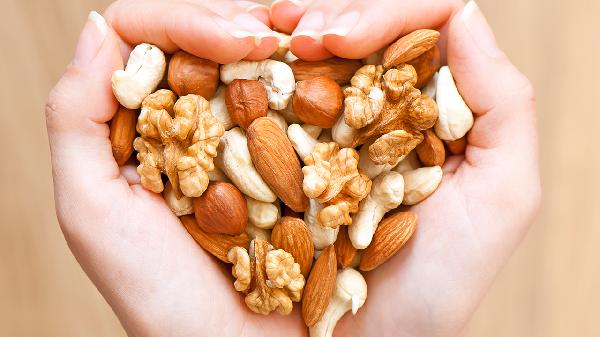
The rapid removal of walnut endothelium can be achieved through methods such as hot water soaking, microwave heating, freezing, steaming, and tapping peeling.
1. Hot water soaking method
Soak walnuts in boiling water for 5 minutes. High temperature will soften the connecting layer between the inner lining and the kernel. After removing it, use a toothpick or small knife to gently open the gap while it is still hot, and the inner lining can fall off in pieces. This method is suitable for batch processing, but it should be noted that high water temperature may affect the taste of walnuts.
2. Microwave heating method
Walnuts are spread flat on a plate and microwave heated for 20 seconds. The heat will cause the endothelial water to evaporate and shrink. After taking it out, rub it while it is hot, and use the principle of thermal expansion and contraction to separate the inner skin from the kernel. Control the time during operation to avoid burning the nuts.
3. Freezing method
Fresh walnuts should be frozen for 2 hours and then taken out. Low temperature should be used to make the inner lining brittle. Gently pressing walnuts with a rolling pin causes the difference in internal and external shrinkage rates, leading to endothelial rupture. This method preserves the shape of the nuts completely, making it suitable for cooking needs that require maintaining their appearance intact.
4. Steaming method
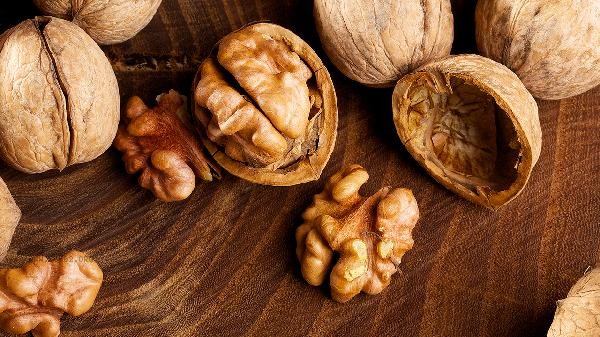
Steam walnuts in water for 3 minutes, and steam penetration relaxes the endothelial fibers. Wrap and rub with kitchen paper towels, and the inner lining will adhere to the tissue and fall off. Excessive steaming time can lead to the loss of vitamin B family, and it is recommended to control the duration.
5. Knocking and peeling method
After knocking open the shell of the walnut, gently tap the side of the nut with a hammer and vibrate it to cause cracks in the inner lining. Attention should be paid to the strength when tearing along the crack to avoid the breakage of the nuts. Traditional methods are suitable for small-scale processing and require high tools.
When removing walnut endothelium, it is recommended to choose the method according to the purpose. If the intact kernels need to be preserved, freezing method can be preferred, and hot water soaking method can be used for efficiency. Processed walnuts should be sealed and stored away from light to prevent oil oxidation. Daily consumption should be controlled within 20 grams to avoid excessive intake of fats. Walnut endothelium contains tannic acid, which can improve taste but may lose some antioxidant components. Whether to completely remove it can be determined based on nutritional needs. People with special physical conditions need to confirm that there are no allergic reactions before consumption. It is recommended that parents supervise the consumption of children to prevent choking.








Comments (0)
Leave a Comment
No comments yet
Be the first to share your thoughts!