
Skinned shrimp can be assisted with scissors or chopsticks, and care should be taken to avoid scratching fingers during operation.
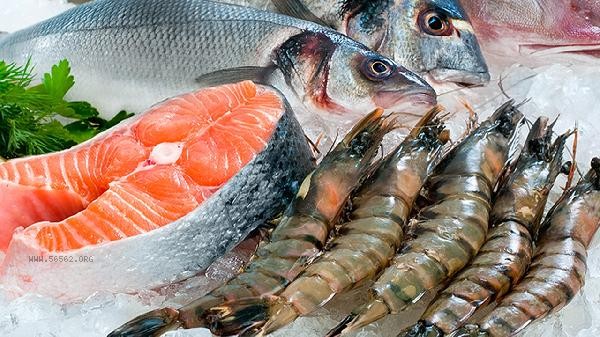
The shell of the skin shrimp is hard and has sharp edges, making it easy to scratch the skin by peeling it with bare hands. Use kitchen scissors to cut a slit from the back of the shrimp, then gently tear open the shell along the slit to both sides to preserve the shrimp meat intact. You can also insert chopsticks from the tail of the shrimp and push them upwards along the inside of the shrimp shell to the head, separating the shrimp meat from the shell. Freezing the skin shrimp for 10 minutes before processing can reduce the hardness of the shell, but it should not be too long to avoid affecting the taste.
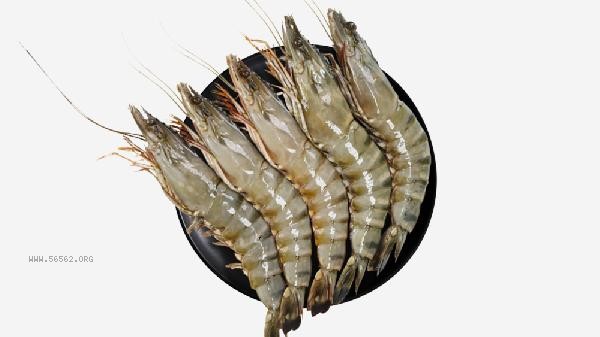
The shell of fresh skin shrimp is greenish gray and shiny. If the shell is soft or dull in color, it may not be fresh. When purchasing, observe whether the shrimp body is intact and there should be elasticity when touched. It is recommended to wear kitchen gloves to protect your fingers during handling, and rinse the shrimp shells with clean water to remove any remaining broken shells. The shrimp head contains shrimp roe, which can be taken out separately for cooking soup or steaming eggs.
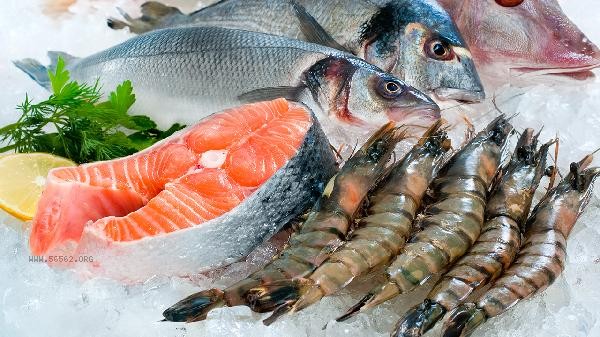
The peeled shrimp meat can be steamed, blanched, or stir fried. It is recommended to pair it with ginger vinegar sauce to remove fishy smell. Daily consumption should be controlled in moderation, and individuals with allergies should try with caution. Shrimp shells can be dried and ground into powder as a natural seasoning, and cooking shrimp heads and shells in soup can enhance the freshness. Thoroughly clean hands and kitchen utensils before and after processing to avoid cross contamination.








Comments (0)
Leave a Comment
No comments yet
Be the first to share your thoughts!