
Rapid weight loss and leg slimming can be achieved through controlling diet, increasing exercise, local shaping training, adjusting lifestyle habits, and medical intervention if necessary. Losing weight requires scientific planning and avoiding extreme dieting or excessive exercise.

1. Control diet
Reduce intake of high calorie foods, increase the proportion of vegetables, fruits, and high-quality protein. Avoid fried foods, sweet drinks, and refined carbohydrates, and choose whole grains, lean meat, and low-fat dairy products. Daily calorie intake should be controlled within a reasonable range, and it is recommended to eat in small amounts 5-6 times.
2. Increase Exercise
Engage in 4-5 aerobic exercises such as jogging, swimming, or skipping rope per week, each lasting 30-45 minutes. Aerobic exercise can promote whole-body fat burning, and when combined with intermittent high-intensity training, it can increase metabolic rate. Warm up and stretch before and after exercise to prevent sports injuries.
3. Localized shaping training
focuses on specialized training for the legs, including squats, lunges, leg lifts, and lateral leg lifts. 15-20 times per group, 3-4 groups per day, can effectively tighten the muscles of the thighs and buttocks. Relax with massage or foam shaft after training to relieve muscle tension.
4. Adjust lifestyle habits
Ensure 7-8 hours of sleep per day to avoid staying up late and affecting metabolism. Reduce sedentary time by getting up and moving for 5 minutes every hour. Quitting smoking and drinking habits and maintaining a regular daily routine can help maintain endocrine balance and fat metabolism.
5. Medical Intervention
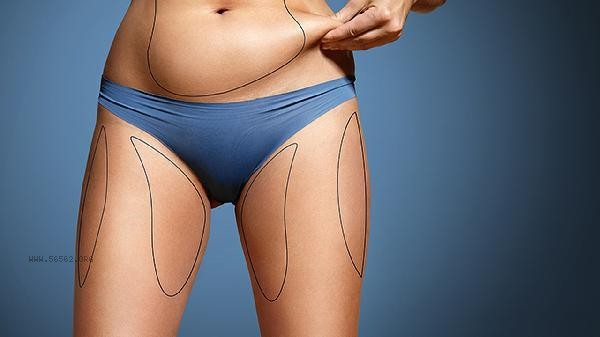
For patients with severe obesity or stubborn local fat accumulation, they can consult a doctor to choose formal medical methods. Common methods include non-invasive treatments such as cryolipolysis and radiofrequency skin tightening, and in extreme cases, liposuction surgery may be considered. All medical interventions must be conducted in professional institutions. During the weight loss process, it is important to maintain patience and set reasonable goals to lose 0.5-1 kilogram per week. Avoid health risks caused by rapid dehydration or extreme dieting. It is recommended to record diet and exercise, and regularly measure changes in body fat percentage. If discomfort symptoms such as dizziness and fatigue occur, adjust the plan in a timely manner and seek guidance from professional nutritionists or fitness coaches if necessary. Maintaining a healthy lifestyle in the long term is more important than short-term quick results.









Comments (0)
Leave a Comment
No comments yet
Be the first to share your thoughts!