
Rapid weight loss throughout the body requires comprehensive interventions such as dietary control, exercise, and lifestyle adjustments. Scientific weight loss should avoid extreme dieting or excessive exercise, and it is recommended to develop personalized plans under the guidance of doctors or nutritionists.

1. Dietary control
Reduce the intake of high calorie foods, increase the proportion of vegetables, fruits, and high-quality protein. Daily calorie intake should be controlled within a reasonable range, avoiding high sugar and high-fat foods such as fried foods and sweet drinks. The serving of individual dishes can be used. Each meal is seven times full. Eating slowly helps digestion and absorption.
2. Aerobic Exercise
Engage in moderate intensity aerobic exercise multiple times a week, such as brisk walking, jogging, swimming, etc. Maintain a heart rate within an appropriate range for at least 30 minutes each time. Aerobic exercise can directly burn fat, and it is recommended to choose a long-term exercise method.
3. Strength training
combined with resistance training increases muscle mass and improves basal metabolic rate. Self weight training or equipment exercises can be conducted, with a focus on training the major muscle groups. An increase in muscle mass helps to continuously burn calories and avoid rebounding after weight loss.

4. Lifestyle Habits
Ensure sufficient sleep and avoid staying up late that affects metabolism. Reduce sedentary time and get up and move every hour. Manage stress levels and avoid emotional eating. Quit smoking and limit alcohol consumption, establish a regular schedule.
5. Professional guidance
If there are endocrine disorders or severe overweight, it is recommended to seek medical attention to investigate the cause. Medications such as Orlistat capsules can be used under the guidance of a doctor, or medical interventions such as metabolic surgery can be considered.
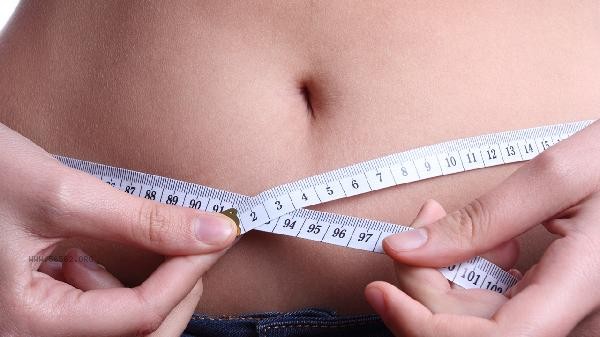
The weight loss process should be gradual, with a weekly weight loss of no more than 1% of body weight. Maintaining healthy eating and exercise habits in the long term is key to avoiding rapid rebound. Pay attention to replenishing water and necessary nutrients. If discomfort symptoms such as dizziness and fatigue occur, adjust the plan in a timely manner. Regularly monitor changes in weight and body fat, and optimize weight loss plans based on body reactions.








Comments (0)
Leave a Comment
No comments yet
Be the first to share your thoughts!