
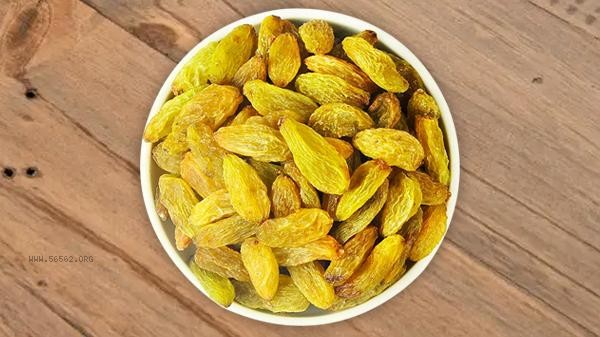
Raisins can be directly rinsed with water before consumption, but it is recommended to use soaking and rinsing to thoroughly remove surface impurities. The main cleaning methods include rinsing with running water, soaking in warm water, starch scrubbing, salt sterilization, and white vinegar softening.
1. Rinse with running water
Place the raisins into a fine mesh sieve and rinse repeatedly with running water for 2-3 minutes. Water flow can carry away most of the floating dust and sand particles, making it suitable for quick cleaning when time is tight. Note that the water flow should not be too strong to avoid scattering the fruit pulp. After rinsing, it is necessary to drain the water or spread it out to dry to prevent residual moisture from causing mold growth.
2. Soaking in warm water
Soaking in warm water at around 40 ℃ for 5 minutes can help impurities in wrinkles float out. Water temperature exceeding 50 ℃ can damage nutrients, and soaking for too long can affect taste. This method is particularly suitable for candied raisins with a sticky surface, as it can dissolve dust adhering to sugar. After soaking, rinse with water 1-2 times.
3. Starch Rubbing
Gently rub a small amount of starch with raisins, and the adsorption effect of starch particles can take away pesticide residues and fruit wax. 5 grams of starch is sufficient for every 100 grams of raisins, excessive rubbing can cause damage to the skin. This method has a significant cleaning effect on mechanically processed raisins, and the starch residue needs to be thoroughly washed away with clean water after treatment.
4. Salt sterilization
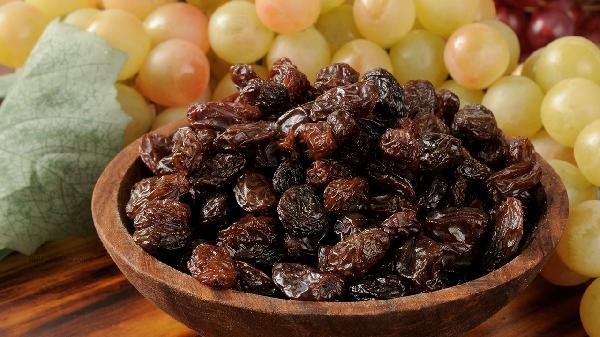
Soaking in light salt water for 3 minutes can inhibit surface bacteria, and the salt concentration should be such that no obvious salty taste can be tasted. This method is particularly necessary for raisins dried in the open air, as it can kill some Escherichia coli. Note that high concentration salt water can cause dehydration and wrinkling of the fruit pulp. It is recommended to rinse with purified water after cleaning.
5. White vinegar softening
Soaking in a 1:10 white vinegar aqueous solution for 2 minutes can soften surface dirt, and acetic acid can also neutralize alkaline pesticides. This method can restore partial plumpness to withered raisins, but acidic environments may damage some anthocyanins. After treatment, they should be immediately rinsed with clean water.
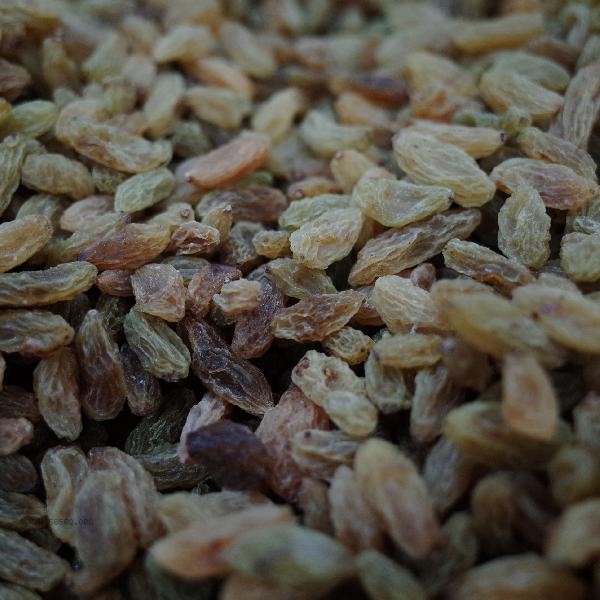
After cleaning, raisins should be spread flat on kitchen paper to absorb moisture and avoid direct sunlight or high-temperature drying. Items that have not been consumed in one go should be sealed and refrigerated. It is recommended to use them up within two weeks. Organic raisins can reduce cleaning intensity appropriately and retain more nutrients. The daily consumption should be controlled at 20-30g, and diabetes patients should reduce the consumption as appropriate. If raisins are found to have a wine flavor or stick together, they may have spoiled and are not suitable for consumption.








Comments (0)
Leave a Comment
No comments yet
Be the first to share your thoughts!