
Promoting bowel movements during weight loss can be achieved through adjusting dietary structure, increasing dietary fiber intake, moderate exercise, regular sleep patterns, and supplementing probiotics. During weight loss, difficulty in defecation may be caused by reduced diet or structural changes, which are usually related to factors such as insufficient dietary fiber, insufficient water intake, and imbalanced gut microbiota.
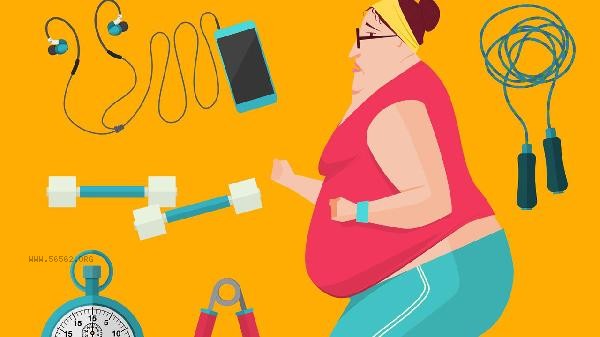
1. Adjust dietary structure
Reduce the intake of refined carbohydrates and replace some refined rice and white flour with whole grains. Whole grains such as oats, brown rice, quinoa, etc. are rich in dietary fiber, which helps increase fecal volume and stimulate intestinal peristalsis. The proportion of whole grains in daily staple food can reach one-third to one-half, accompanied by appropriate amounts of high-quality protein such as chicken breast, fish, and fresh vegetables and fruits, to avoid insufficient gastrointestinal motility caused by excessive dieting.
2. Increase dietary fiber intake
Daily intake of 25-30 grams of dietary fiber, with a preference for foods that combine soluble and insoluble dietary fiber. Green leafy vegetables such as broccoli and spinach can provide insoluble fiber to promote intestinal peristalsis, while pectin in fruits such as apples and bananas belongs to soluble fiber that can soften feces. Attention should be paid to gradually increasing the amount of fiber and drinking sufficient water to avoid bloating caused by a large amount of intake at once.
3. Moderate Exercise
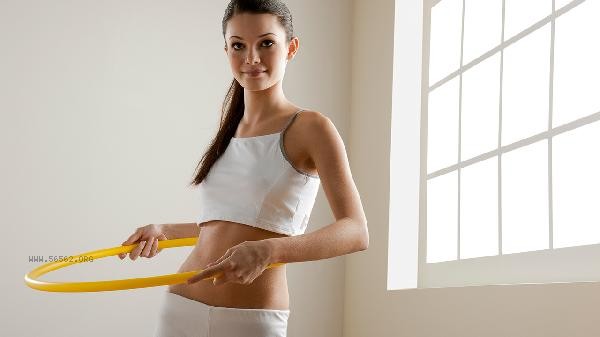
Engage in at least 30 minutes of low-intensity aerobic exercise daily, such as brisk walking, swimming, or yoga. Exercise can stimulate intestinal peristalsis by enhancing abdominal muscle contraction and improving abdominal blood circulation, especially after meals, walking can utilize the gastrocolic reflex to promote bowel movements. Core muscle group training such as plank support can indirectly improve intestinal peristalsis efficiency.
4. Regular sleep schedule
Fix the daily defecation time after waking up in the morning or after meals, and establish conditioned reflex using the human body clock. Drinking 300ml of warm water on an empty stomach in the morning can activate the gastrocolic reflex, and the gastrocolic reflex caused by food stimulation 15-30 minutes after a meal is also the golden time for defecation. Avoid deliberately suppressing bowel movements and get up and move for 5 minutes every hour during prolonged sitting.
5. Supplementing probiotics
Supplementing beneficial bacteria such as bifidobacteria and lactic acid bacteria through fermented foods or probiotic preparations such as sugar free yogurt and kimchi. Probiotics can optimize the balance of gut microbiota and improve the dysbiosis caused by dietary changes during weight loss. Continuous supplementation is required for 2-4 weeks to show results, and avoid taking with high-temperature foods to prevent damage to activity.
During weight loss, it is recommended to drink 1500-2000 milliliters of water per day, with a water temperature close to body temperature, and to drink in small portions. Massage the abdomen clockwise to promote intestinal peristalsis, starting from the lower right abdomen upwards to the rib margin and then horizontally to the lower left abdomen. If there is no bowel movement or accompanied by abdominal pain and bloating for more than 3 days, seek medical attention promptly to rule out organic diseases. Avoid relying on stimulant laxatives, as long-term use may lead to intestinal dysfunction.








Comments (0)
Leave a Comment
No comments yet
Be the first to share your thoughts!