
Promoting bowel movements during weight loss can be achieved through adjusting dietary structure, increasing dietary fiber intake, moderate exercise, maintaining sufficient water intake, and regular sleep patterns. During the weight loss period, difficulty in defecation may be caused by improper dietary control or insufficient exercise, and comprehensive intervention should be carried out in combination with lifestyle habits.

1. Adjust dietary structure
Reduce the intake of refined carbohydrates and increase the proportion of whole grains, legumes, and other coarse grains. Coarse grains are rich in dietary fiber, which can increase fecal volume and stimulate intestinal peristalsis. Suggest replacing some white rice with oats and brown rice, and pairing them with root and stem foods such as sweet potatoes and corn. Avoid high-fat and high sugar snacks, and choose sugar free yogurt or low sugar fruits as snacks.
2. Increase dietary fiber
Daily intake of 25-30 grams of dietary fiber is required, which can be supplemented by green leafy vegetables such as broccoli and spinach, as well as skinned fruits such as apples and pears. Seed foods such as chia seeds and flaxseed can be soaked in water and consumed, and their water-soluble fibers can soften feces. Attention should be paid to gradual intake of fiber, as sudden and excessive supplementation may cause bloating.
3. Moderate exercise
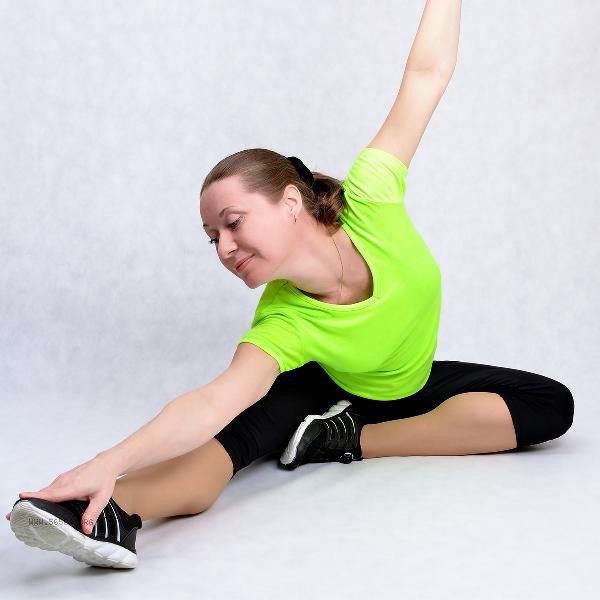
Doing 30 minutes of aerobic exercise such as brisk walking and swimming every day can promote intestinal peristalsis through abdominal muscle contraction. Taking a 15-20 minute walk after meals can accelerate the gastrocolic reflex, and the twisting postures in yoga can massage the intestines. Avoid prolonged sitting and get up and move for 3-5 minutes every hour.

4. Maintain water intake
The daily water intake should reach 1.5-2 liters. Drinking 300 milliliters of warm water on an empty stomach in the morning can stimulate intestinal peristalsis. If a high protein diet is adopted during weight loss, it is necessary to increase water intake to prevent constipation. You can drink light honey water or lemon water, but avoid sugary drinks.
5. Regular sleep schedule
Fixed daily defecation time, it is recommended to stay focused when trying to defecate in the morning or within 2 hours after meals, and avoid playing with mobile phones. Falling asleep before 23:00 at night helps with intestinal repair, and insufficient sleep can affect the autonomic nervous system's regulation of the intestine.
If you experience persistent constipation during weight loss, you can try clockwise abdominal massage, or follow the doctor's advice to use laxatives such as lactulose oral solution and wheat cellulose granules for a short period of time. If accompanied by abnormal symptoms such as abdominal pain and rectal bleeding, seek medical attention promptly. Long term dietary control individuals should regularly monitor their nutritional status to avoid exacerbating constipation due to a lack of B vitamins or magnesium ions. Keeping a diet diary to record bowel movements can help identify specific food factors that trigger constipation.








Comments (0)
Leave a Comment
No comments yet
Be the first to share your thoughts!