
Preventing rice from developing pests can be achieved through sealed storage, low-temperature preservation, drying treatment, regular inspections, and the addition of natural insect repellents. Rice pests are mainly related to factors such as environmental humidity, storage conditions, and residual insect eggs, and comprehensive measures need to be taken to prevent the occurrence of pests.
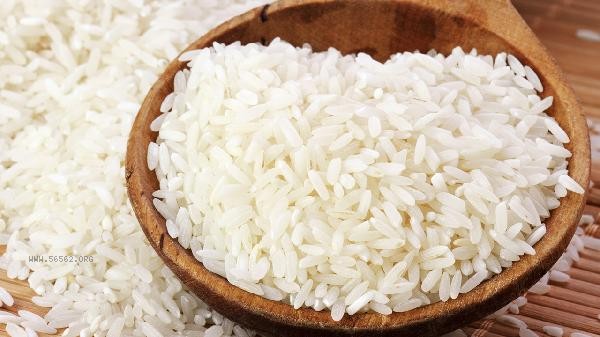
1. Sealed storage
Use food grade sealed containers or vacuum bags to store rice, blocking contact between air and insect eggs. Containers with strong sealing properties such as glass jars and stainless steel barrels can effectively isolate external moths from laying eggs. It is recommended to seal the opened rice bags with clips to avoid prolonged exposure to air. Pay attention to checking the edges of the container for cracks or pores during storage.
2. Low temperature storage
Divide the rice into small packages and store them in the refrigerator or freezer. Low temperature can inhibit the hatching of insect eggs. When the temperature is below 15 degrees Celsius, the activity of pests such as rice weevils significantly decreases, and freezing for 48 hours can kill existing insect eggs. Please note that after freezing, it should be taken out and restored to room temperature before opening to prevent condensation from causing moisture.
3. Drying treatment
Place food desiccants or natural moisture absorbing materials such as Sichuan peppercorns and garlic in the rice bucket to maintain the environmental humidity below 60%. A humid environment can easily induce the development of insect eggs, and regularly drying rice storage containers can also reduce water accumulation. Newly purchased rice can be spread out and air dried for 1-2 hours before being sealed and stored.

4. Regular inspection
Check the rice bags monthly for clumps, filaments, or insect marks, and immediately isolate and deal with any pests found. Adults have phototaxis, and shining a flashlight on a rice bucket at night can observe whether there are black spots moving. A small amount of insect infested rice can be filtered through a sieve and then exposed to sunlight or frozen. Severe insect infestation requires the entire batch to be discarded.
5. Natural insect repellent
Put spices such as Sichuan pepper, cinnamon, and dried chili in the rice bucket, and their volatile components can repel rice weevils. Plant materials such as laurel leaves and cloves also have a similar effect, adding 10-15 grams per 5 kilograms of rice is sufficient. Avoid using chemical pesticides to prevent contamination of food.
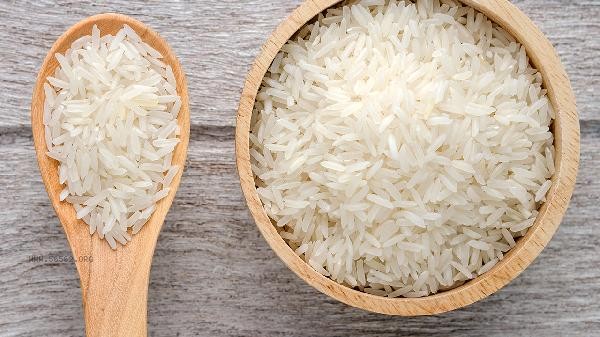
It is recommended to store rice in a cool and ventilated place for daily use, avoiding direct sunlight or near heat sources. When purchasing, prioritize vacuum packaging or small packaging products to reduce storage time after opening. Moldy rice can produce aflatoxin, and if mold spots are found, they should be discarded immediately. Combining multiple pest control measures can extend the shelf life of rice to 6-12 months, and regularly rotating inventory can ensure freshness for consumption. If pest infestations occur repeatedly, the storage container should be thoroughly cleaned and washed with boiling water to dry.








Comments (0)
Leave a Comment
No comments yet
Be the first to share your thoughts!