
To prevent the oxidation and discoloration of cut fruits, methods such as soaking in acidic liquids, isolating from air, storing at low temperatures, selecting antioxidant ingredients, and rapid processing can be used.
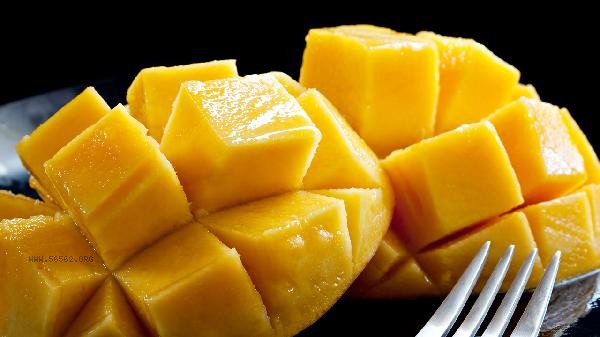
1. Acidic liquid soaking
Soaking sliced fruits in lemon juice, white vinegar, or light salt water can effectively delay oxidation. Acidic environment can inhibit polyphenol oxidase activity and reduce browning reactions. Citrus fruit juice contains natural antioxidants, suitable for processing easily oxidizable fruits such as pears and apples. Note that the soaking time should not be too long to avoid affecting the taste.
2. Isolate from air
Tightly wrap the incision with cling film or vacuum seal it to prevent oxygen contact. Applying honey to the cut surface can form a protective layer, which is suitable for bananas, avocados, and other crops. Glass sealed containers are more effective in reducing oxygen permeability than plastic containers, and when combined with absorbent paper padding, they can control moisture leakage.
3. Low temperature storage
4 ℃ refrigeration can reduce enzyme activity, and tropical fruits such as mangoes and peaches need to be stored in breathable boxes to prevent frostbite. Freezing is suitable for making fruit puree or baking ingredients. After sprinkling sugar on strawberry slices, rapid freezing can maintain their color. Pay attention to drying the surface moisture before refrigeration to avoid ice crystals damaging the cell structure.
4. Antioxidant combination
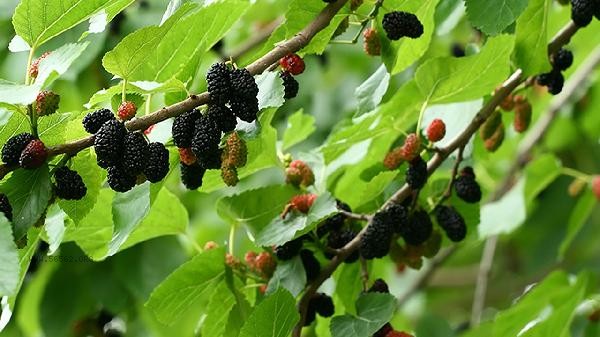
When stored together with vitamin C-rich kiwi and pineapple, it can synergistically resist oxidation. The spraying effect of natural antioxidant solutions such as green tea extract and rosemary is significant. Dark colored berries contain anthocyanins, which, when paired with sliced apples, can slow down the overall browning process.
5. Rapid processing
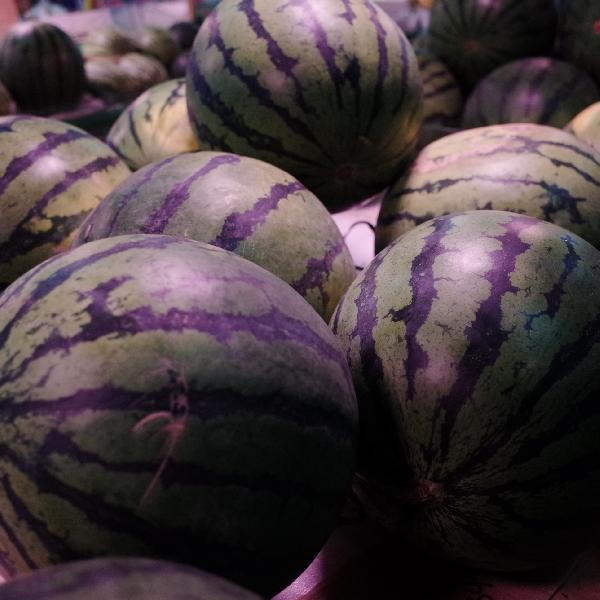
Use a ceramic knife to cut and reduce metal ion catalytic oxidation, and immediately load the disc after cutting to reduce exposure time. Banquet platters can be treated with easily oxidizable fruits, with priority given to high water content varieties such as watermelon and cantaloupe. The use of steam blanching enzyme inactivation technology in commercial processing is suitable for large-scale pretreatment.
Apples can be sliced and stored together with carrot sticks to increase the beta carotene protective layer in daily life. Pear slices can be soaked in light salt water, drained, and stored in a box for refrigeration. Wear food grade gloves when handling large amounts of fruits to reduce hand oil contact, and bamboo cutting boards are less prone to residual oxidative substances than wood. For long-term storage, it is recommended to divide into small portions and freeze them. When using, directly prepare the ingredients or heat them for cooking. High temperatures can completely destroy oxidase activity. Choose fruits with moderate maturity, as overripe fruits have fragile cell walls and are more prone to browning.








Comments (0)
Leave a Comment
No comments yet
Be the first to share your thoughts!