
Preventing fruit decay requires controlling temperature and humidity, reducing mechanical damage, proper packaging, timely sorting, and using preservation techniques. Fruit decay is mainly caused by factors such as microbial growth, oxidation reactions, ethylene ripening, water loss, and improper storage environment.
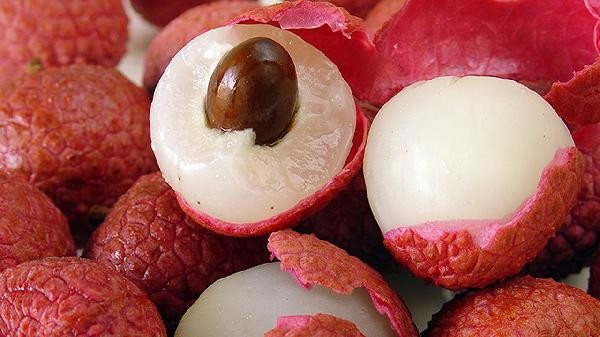
1. Control temperature and humidity
Low temperature can inhibit microbial activity. Most fruits are suitable for storage in an environment of 0-4 degrees Celsius, while tropical fruits such as bananas and mangoes require 8-12 degrees Celsius. Maintaining humidity between 85% and 95% can reduce water evaporation. Citrus fruits can be waxed to reduce respiratory intensity, while strawberries and other berries need to be covered with breathable film to maintain humidity balance.
2. Reduce mechanical damage
During transportation, shock-absorbing packaging materials are used, and fruits such as grapes that are prone to falling off are packaged in grid cells. When picking, keep the fruit stem to avoid wounds. Apple and pear fruits should be handled with gloves to prevent nails from scratching the skin. When displaying, place them in layers to avoid squeezing, and check and remove individuals with damaged skin every day.
3. Reasonable packaging design
Blueberry cherries are suitable for perforated plastic boxes to keep ventilation. Durian, pineapple, etc. need to be equipped with buffer foam to prevent puncture. Ethylene sensitive fruits such as kiwifruit should be separated with aluminum foil bags, and citrus fruits can be covered with foam net bags. Placing desiccants or deoxidizers inside the packaging can extend the shelf life of lychee and longan.
4. Timely sorting and processing
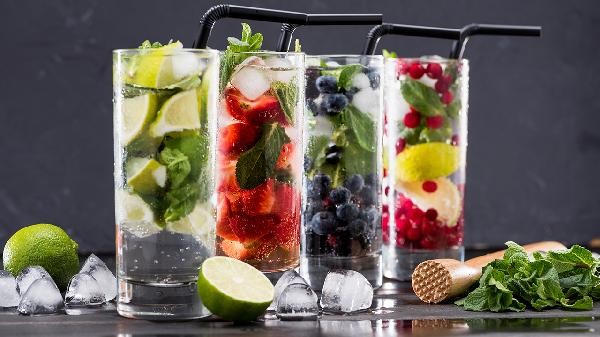
Establish a maturity grading system to separate fruits in the color conversion period from fully ripe fruits. Daily screening will be conducted in the morning and evening, with priority given to fruits with minor abrasions for promotion. Use an ozone generator to disinfect the storage space, and remove rotten individuals immediately to prevent cross infection.
5. Application of preservation technology
Litchi can be pre cooled with ice water and soaked in citric acid, while strawberries can be treated with chitosan coating. Modified atmosphere storage is suitable for bulk fruits such as apples and pears, adjusting the oxygen concentration to 3% -5%. Bananas can be delayed in ripening with 1-MCP ethylene inhibitors, while mangoes soaked in hot water can kill anthrax spores.
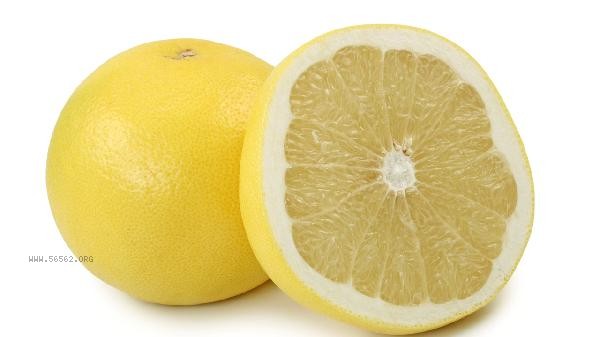
It is recommended to establish a complete cold chain transportation system to maintain a constant temperature throughout the entire process from picking to sales. Different fruit categories should be stored to avoid cross contamination of ethylene, and late maturing fruits such as pineapple and custard should be isolated from ethylene release sources such as apples. Regularly train employees on fruit characteristics and preservation operation standards, and equip them with professional testing equipment to monitor storage environment parameters. The retail end can adopt a small batch high-frequency replenishment mode and set up transparent fresh-keeping cabinets to enhance consumer trust. Promote vacuum small packaging and ready to eat cut fruit products to reduce intermediate losses through new channels such as community group buying.








Comments (0)
Leave a Comment
No comments yet
Be the first to share your thoughts!