
Mature peanuts with shells can be stored sealed at room temperature or refrigerated, depending on the storage time and environmental conditions. The main storage methods include sealing and avoiding light, low temperature and moisture, regular inspection, packaging, and avoiding high temperatures.
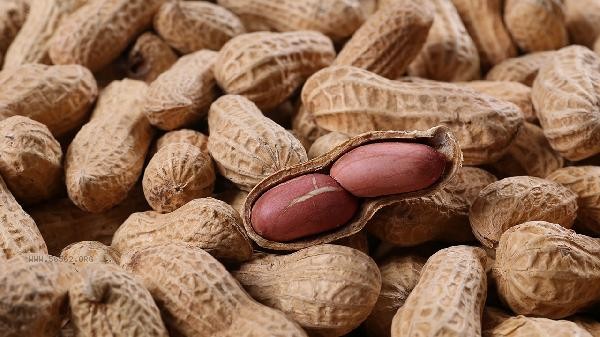
First, seal and avoid light.
Put the cooked peanuts into a food grade sealed bag or glass jar, exhaust the air, and tighten the bag mouth. Choose opaque containers or store in a dark place to avoid accelerated oil oxidation caused by light exposure. Under sealed conditions, it can be stored at room temperature for about two weeks. If the humidity is high, it should be shortened to within one week for consumption.
2. Low temperature moisture-proof
If long-term storage is required, it can be refrigerated and the temperature should be controlled at 0-4 degrees Celsius. First, use kitchen paper to absorb the surface moisture, and then cover it with two layers of sealed bags to prevent refrigerator odors from penetrating. The shelf life can be extended to one month in a refrigerated environment. Before taking it out for consumption, it is necessary to restore it to room temperature to avoid the invasion of condensed water vapor.
III. Regular Inspection
Check the condition of peanuts every 3-5 days, with a focus on observing whether there are mold spots or crackling flavors at the seams of the shells. If slightly damp, it can be reheated. Spread the peanuts flat in the oven at 150 degrees Celsius and bake for 10 minutes. If mold is found, the entire batch needs to be discarded. Aflatoxin is heat-resistant and poses a great threat to human health.
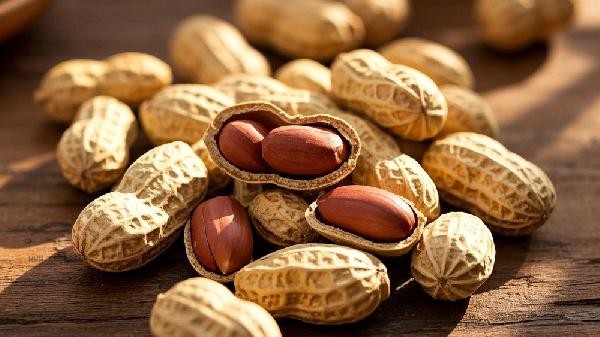
4. Packaging Processing
It is recommended to package large portions of peanuts according to weekly usage to reduce temperature and humidity changes caused by repeated bag opening. Immediately reseal after each use, and use a desiccant pack to assist in moisture absorption. Independent small packaging is more suitable for daily carrying to avoid crushing the shell and affecting storage.
Fifth, avoid high temperatures
It is forbidden to place ripe peanuts in high-temperature areas such as stoves and balconies, as oil and fat are prone to spoilage in high-temperature environments. In summer, it is recommended to prioritize refrigerated storage and use insulated boxes to isolate heat sources during transportation. Shelled peanuts are more resistant to storage than shelled peanuts, but they also need to be kept away from heat sources. When storing ripe peanuts, it is necessary to keep the environment dry and clean, as humidity exceeding 60% can easily cause mold growth. Can be paired with food deoxidizers to extend shelf life, but strong hygroscopic agents such as quicklime should not be used. It is recommended to use dry tableware for daily use, as direct contact with damp hands can introduce moisture. If you find that the color of peanut kernels is dark or the taste is bitter, you should stop eating them immediately. Rotten peanuts may produce carcinogens. For short-term storage, you can choose a ventilated and cool storage cabinet. For long-term storage, it is recommended to vacuum pack and freeze, which can maintain the flavor for about six months.








Comments (0)
Leave a Comment
No comments yet
Be the first to share your thoughts!