
Improper storage of raw walnut kernels can easily lead to oxidation and deterioration. It is recommended to use sealed refrigeration or freezing methods to extend the shelf life. The main storage methods include light sealing, low-temperature refrigeration, vacuum packaging, desiccant moisture-proof, and regular inspection.

1. Avoid light sealing
Put the raw walnut kernels into a sealed jar or aluminum foil bag that is not transparent to light, avoiding direct sunlight and air contact. Light and oxygen can accelerate the oxidation of unsaturated fatty acids in walnut kernels, leading to the loss of flavor and nutrients. It is recommended to choose glass or food grade plastic materials for sealed containers to ensure complete isolation from the outside air.
2. Low temperature refrigeration
Short term storage can be placed in the refrigeration layer of the refrigerator, with a temperature controlled between 0-4 degrees Celsius. Refrigeration can effectively inhibit microbial growth and maintain the crispness of walnut kernels for about a month. Please seal and refrigerate to prevent absorption of odors from other foods in the refrigerator. If frequent use is required, it is recommended to divide into small portions to avoid repeated opening and closing.
3. Vacuum packaging
For long-term storage, it is recommended to vacuum and freeze, which can last for more than 6 months. Use a household vacuum machine to pack into single serving quantities, remove oxygen from the bag, and freeze at -18 degrees Celsius. No need to thaw before consumption, direct use can preserve the original flavor and antioxidant components such as vitamin E.
4. Moisture proof desiccant
Place food grade desiccants or silicone bags in storage containers to absorb moisture from the environment. Walnut kernels with a moisture content exceeding 7% are prone to mold growth, manifested as white spots or moldy odors on the surface. In humid areas of the south, it is especially necessary to use desiccants in conjunction with them and regularly replace desiccants that have become damp.
5. Regular inspection
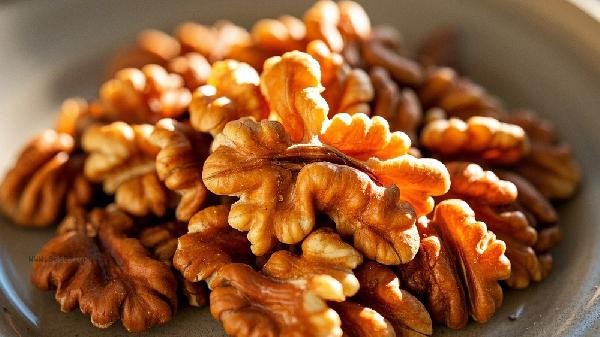
Check the status of stored walnut kernels every month and remove products that have discolored or have an unpleasant odor. High quality raw walnut kernels should maintain a light yellow color, and the appearance of dark brown spots or oily flavors indicates oxidation and deterioration. A small amount of moldy walnut kernels may produce aflatoxin, and the entire batch should be discarded and inedible.
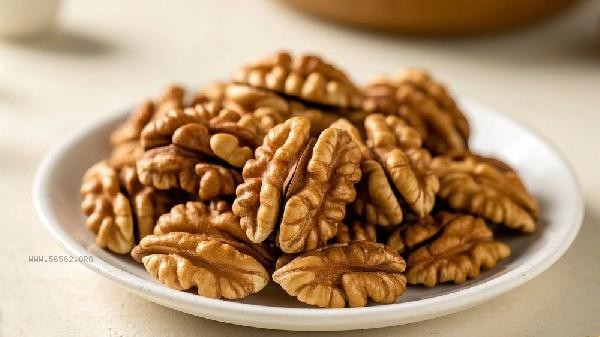
During storage, high calcium foods such as yogurt can be consumed together to promote nutrient absorption, but the daily intake should be controlled at 20-30 grams. Walnut kernels are rich in alpha linolenic acid, and it is recommended to consume them within two weeks after opening. In special circumstances, short-term carrying can use honey to coat the surface and form an anti-oxidation film, but it may increase sugar intake and should be used as appropriate. Stop eating immediately if oil seeps out or the taste becomes soft.








Comments (0)
Leave a Comment
No comments yet
Be the first to share your thoughts!