
Carrots with mud are recommended to be stored without cleaning to extend their shelf life. The main storage methods include storing in a cool and ventilated place, refrigerating, burying in sand, vacuum packaging, and freezing by cutting into pieces.
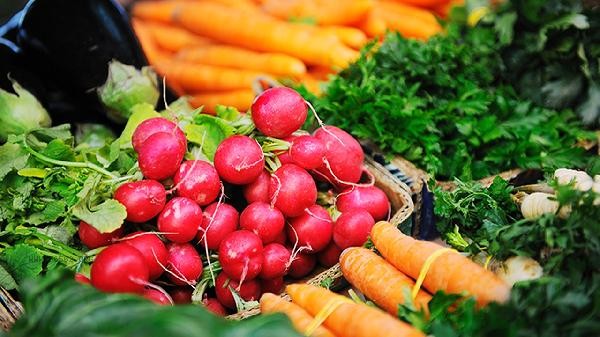
1. Store in a cool and ventilated place
Carrots with mud can be stored in a cool and ventilated place, as the soil can effectively block air contact. Choose an environment with a temperature of around 10 degrees Celsius and lay the radish flat in a cardboard box or bamboo basket to avoid stacking too high. Regularly check and remove individuals with damaged epidermis, which can be stored for about two weeks. Be careful to stay away from direct sunlight and damp areas to prevent germination or mold growth.
2. Refrigerate storage
Wrap the radish with clay in kitchen paper and place it in a fresh-keeping bag. Control the refrigeration temperature at around 4 degrees Celsius. Soil can reduce water evaporation, and wrapping can prevent condensation erosion. Keeping 1 centimeter of stems and leaves during refrigeration can delay nutrient loss, but it is necessary to open the bag for ventilation every week. This method is suitable for storing in small quantities, with a shelf life of up to one month. Rinse before taking out and consuming.
III. Burial of Sand
Lay 5 centimeters of moist river sand at the bottom of the container, alternate between radish and sand layers, and cover the top layer with 10 centimeters of sand. It is advisable to hold the sand tightly without dripping water, and place it in an environment of 5-10 degrees Celsius such as a balcony or basement. Regularly spray water mist to maintain humidity, which can be stored for more than two months. This method suppresses respiration by simulating the growth environment and is suitable for storing large quantities of radish in winter.
4. Vacuum Packaging
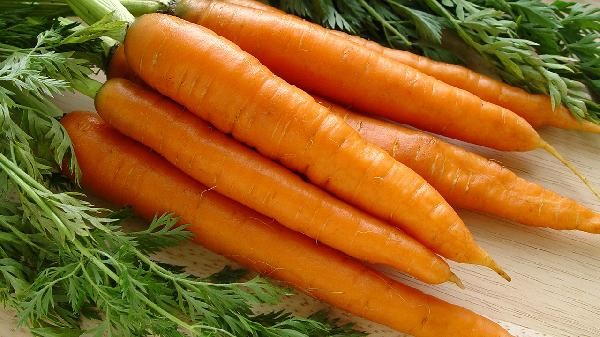
Put the radish with mud into a vacuum bag and evacuate the air. It can block the oxidation reaction at low temperatures. Before packaging, the diseased radish should be removed and each bag should be filled with a single serving quantity. Vacuum state can be stored for more than three months, but it should be consumed as soon as possible after opening. Pay attention to checking the sealing of the packaging, as air leakage can accelerate decay.
5. Cut and freeze
Wash the soil, cut and blanch for 30 seconds, drain, pack and freeze for storage. High temperature boiling can inactivate oxidase, and it can be stored for six months in a frozen state. When consumed, it can be directly cooked without thawing and is suitable for stewing and cooking dishes. However, freezing can cause the taste to soften and is not suitable for raw food such as cold dishes.
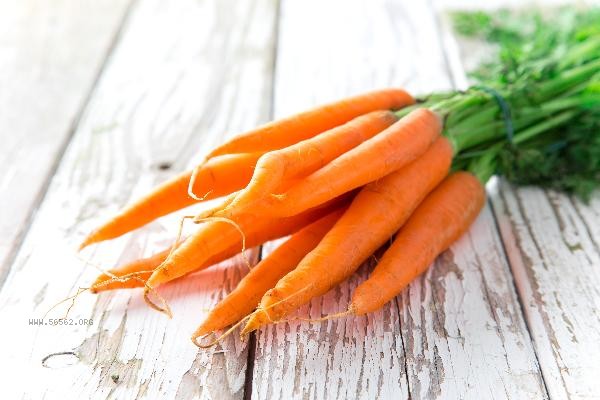
Different storage methods should be selected according to the consumption plan. For short-term consumption, it is recommended to store in a cool place or refrigerated. For long-term storage, it is suitable to bury in sand or freeze. Regularly check and remove deteriorated individuals during storage to avoid cross contamination. Before cooking, use a soft brush to clean the surface soil. Focus on cleaning the stems and leaves as they are prone to dirt accumulation. Separating carrots from apples, pears, etc. can delay germination. Dried radish can be made in winter to extend its shelf life, sliced and dried until the moisture content is below 20%, and then sealed and stored.








Comments (0)
Leave a Comment
No comments yet
Be the first to share your thoughts!