
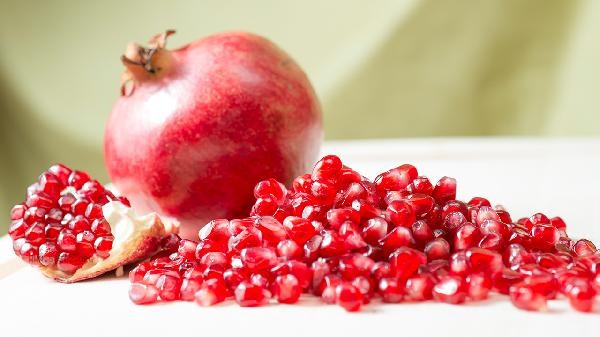
Pomegranate seeds can be stored frozen or refrigerated for a short period of time. Specific methods include cleaning and drying, sealing and packaging, and temperature control. Improper storage may lead to mold growth or nutrient loss, and appropriate methods should be selected according to the consumption plan.

1. Clean and air dry
Fresh pomegranate seeds should be gently rinsed with cold water to remove residual flesh and impurities, and spread flat on kitchen paper to absorb surface moisture. A humid environment can accelerate decay, while thorough drying can prolong storage time. When handling, avoid squeezing and damaging the integrity of the grains.
2. Sealed packaging
Put dried pomegranate seeds into food grade sealed bags or preservation boxes, and package them according to the single consumption amount to reduce repeated opening and closing. Vacuum treatment can isolate oxygen. It is recommended to consume it within 3 days after refrigeration, and it can be stored for about 1 month after freezing.
3. Temperature control
For short-term storage, choose a 4 ℃ refrigeration layer, and for long-term storage, place it in a -18 ℃ freezer. When thawing, move to the refrigerator and slowly warm up to avoid excessive temperature differences that may cause the seeds to become soft and rotten. Freezing can cause some cells to rupture, resulting in a slightly less fresh taste but better nutrient retention.
4. Avoid light and moisture
Storage containers should be opaque and moisture-proof, away from heat sources and humid environments. A layer of absorbent paper can be placed inside the glass jar, and regular inspections should be conducted to check for condensation of water vapor. Light can accelerate the oxidation of vitamin C, and humid environments are prone to the growth of mold.
5. Processing
Pomegranate seeds can be made into pomegranate juice and frozen for storage, or mixed with honey in a 1:1 ratio to make honey soaked pomegranate seeds. Dehydration and drying to make dried pomegranate seeds can last longer, but high temperatures can cause partial loss of antioxidants such as anthocyanins. The preserved pomegranate seeds can be directly mixed with yogurt salad for consumption, or used as baking ingredients. Frozen seeds appear slightly soft and suitable for making fruit juice or jam. Daily use requires the use of clean tableware to avoid microbial contamination. It is recommended to prioritize consuming grains that have been stored in refrigeration, as the nutritional value of products that have been frozen for more than a month will gradually decrease. People with special physical conditions should be aware that pomegranate seeds may cause mild gastrointestinal discomfort. It is recommended to crush them for children to prevent choking.









Comments (0)
Leave a Comment
No comments yet
Be the first to share your thoughts!