
The key to preserving live crabs is to maintain a low temperature and humid environment and avoid squeezing, which can be extended by refrigeration or temporary cultivation.
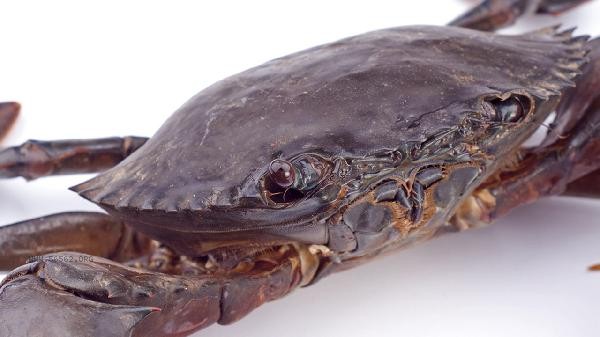
The preservation of live crabs requires simulating their natural survival conditions. Place the crabs in a breathable container, cover the bottom with a damp towel or seaweed to maintain humidity, and cover the container with breathable holes to prevent escape. The temperature should be controlled between 5-10 degrees Celsius, and the lower drawer of the refrigerator compartment in a household refrigerator is more suitable. Be careful not to stack other ingredients directly, which may cause compression. Check the activity of crabs daily, and if there is a slight reaction to touching the crab's eyes, they will survive well. This method can be stored for 2-3 days and is suitable for short-term storage. If it needs to be extended to 5-7 days, shallow water temporary cultivation method can be used. Fill a plastic basin with water 1-2 centimeters deep, maintain the water temperature at around 15 degrees Celsius, and add a small amount of aquatic plants or wet towels for climbing. Change the water daily and eliminate individuals with insufficient vitality to avoid the deterioration of water quality leading to group death. Note that the water depth should not exceed the height of the crab body to prevent hypoxia and suffocation. During the temporary care period, no food should be fed to reduce the pollution of water quality caused by excrement. This method is more effective for river crabs than for sea crabs, and it is recommended to prioritize refrigerated storage for sea crabs.
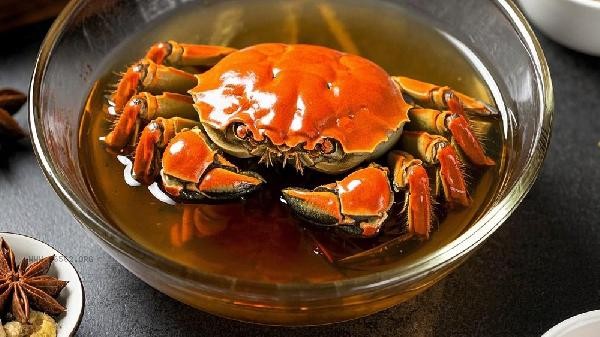
During storage, avoid frequent flipping of crabs. When transporting, use moist straw or newspaper wrapping to keep them moist. Before cooking, it is necessary to observe whether the crab body is fresh. The rapid increase of histamine in dead crabs can easily lead to food poisoning. It is recommended to choose the storage method according to the consumption plan. Live crabs should be slaughtered and boiled immediately for the best flavor. If the crab shell is found to be soft, has a strange smell, or has significantly decreased activity, it should be discarded immediately. Before consumption, clean the gaps between the crab shells with a brush. When steaming, keep the abdomen facing upwards to prevent the loss of crab roe. After boiling, continue heating for 15-20 minutes to ensure complete sterilization.









Comments (0)
Leave a Comment
No comments yet
Be the first to share your thoughts!