
Fresh blueberries can extend their shelf life through methods such as refrigeration, freezing, and drying. The key to preserving blueberries lies in controlling humidity, avoiding compression, and reducing oxidation. Specific methods include refrigeration, freezing, drying, vacuum sealing, and short-term storage at room temperature.
1. Refrigerate storage
Place unwashed blueberries in a breathable preservation box, cover with a layer of kitchen paper to absorb moisture, and store in the refrigerator compartment for 5-7 days. It is recommended to keep the refrigeration temperature between 0-4 degrees Celsius, as high humidity can lead to mold growth. If individual rotten fruits are found, they should be picked out immediately to avoid contaminating other fruits. No need to clean before refrigeration, natural fruit powder on the surface can provide protection.
2. Cryopreservation
After cleaning and draining, blueberries are spread flat on a tray and pre frozen for 2 hours, then placed in a sealed bag and vacuum frozen. They can be stored for 6-8 months. Freezing can cause the flesh cells to rupture, and thawing is suitable for making jam or baking. Freezing storage should avoid repeated thawing, and it is more practical to divide into small portions. Frozen blueberries have less loss of nutrients and a higher retention rate of vitamin C.
3. Dry storage
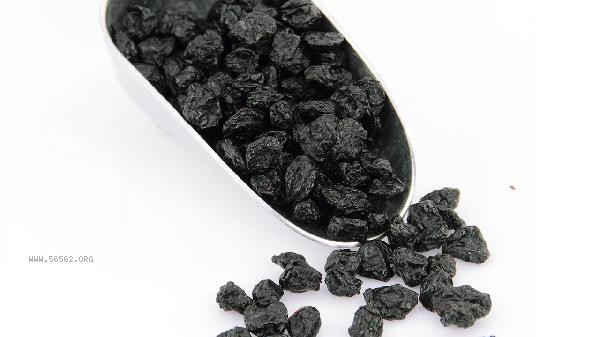
Use a food dryer to dehydrate at 60 degrees Celsius for 8-10 hours, or bake at low temperatures in an oven to make dried blueberries, which can be sealed and stored for up to 1 year. The drying process will concentrate sugar, and it is necessary to avoid excessive temperature that may cause coking. Dehydrated blueberries can be eaten directly as snacks, and can also be used for cooking after rehydration. Homemade dried fruits need to be completely dehydrated to prevent mold growth.

4. Vacuum sealing
Using a vacuum machine to remove air from the packaging, combined with a deoxidizer for refrigeration, can be extended to 2 weeks. A vacuum environment can effectively inhibit mold and oxidation, making it suitable for large-scale storage. Before sealing, it is necessary to ensure that the blueberry surface is completely dry, and the packaging material should be made of food grade puncture resistant materials. After opening, it should be consumed as soon as possible.
5. Short term storage at room temperature
Immature blueberries can be stored in a cool and ventilated place for 1-2 days to promote ripening, and mature fruits should be stored at room temperature for no more than 24 hours. High temperature environment will accelerate decay, so it is necessary to avoid direct sunlight. Breathable containers such as pottery jars or bamboo baskets are more conducive to heat dissipation than plastic bags. This method is only used as a temporary storage solution.

When storing blueberries, it is important to regularly check the condition of the fruit, and blueberries of different maturity levels should be stored separately. Regardless of the storage method used, it is recommended to soak and clean with diluted salt water before consumption. Blueberries are rich in anthocyanins and vitamin C, and proper preservation methods can maximize their nutritional value. Daily consumption can be increased by adding ingredients such as yogurt and oats, but individuals with abnormal kidney function need to control their daily intake.








Comments (0)
Leave a Comment
No comments yet
Be the first to share your thoughts!