
Cherries can be preserved for a longer period of time through methods such as refrigeration, freezing, drying, vacuum storage, and room temperature storage.

1. Refrigerate storage
Put unwashed cherries into a breathable food bag, tie the bag tightly, and place it in the refrigerator compartment. The refrigeration temperature should be controlled between 0-4 degrees Celsius and can be stored for 3-5 days. Be careful to avoid mixing with other strongly scented foods to prevent cross contamination. Remove damaged fruits before refrigeration and regularly check for mold.
2. Cryopreservation
Wash and remove the pits from the cherries, drain the water, lay them flat on a tray for pre freezing for 2 hours, and then transfer them to a sealed bag for freezing. The freezing temperature should be below -18 degrees Celsius and can be stored for 6-8 months. When thawed, move to the refrigerator to slowly thaw, suitable for making jam or baking food, but the fruit flesh will become soft after thawing.
3. Dry and store
cherries. After removing the core and slicing, dry them with hot air below 60 degrees Celsius for 8-12 hours until completely dehydrated. Dried cherries should be sealed and stored away from light, and can be stored for more than 6 months. Freeze drying process can also be chosen to better preserve nutritional components, but it requires professional equipment to complete.
4. Vacuum preservation
After cleaning and disinfecting fresh cherries, use a vacuum machine to remove the air seal inside the packaging. Refrigeration under vacuum can extend the shelf life to 7-10 days. This method can effectively inhibit microbial reproduction and maintain fruit plumpness, but it requires specialized equipment and packaging materials.
5. Store at room temperature
Cherries that are intact and undamaged should be placed in a cool and ventilated place. They can be stored for 2-3 days at room temperature below 25 degrees Celsius. It should be spread flat to avoid stacking, and softened fruits should be checked and removed daily. Suitable for short-term storage of ready to eat cherries, high temperature and high humidity environments can accelerate decay.
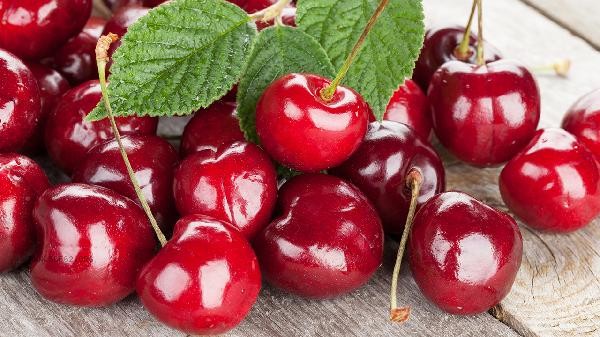
During the storage period of cherries, attention should be paid to keeping the fruit intact and avoiding damage caused by squeezing and collision. Cherries of different maturity levels should be stored separately, and overripe fruits are recommended to be consumed or processed first. No need to clean before storage, moisture will accelerate mold growth. Regardless of the storage method used, the fruit condition should be checked regularly, and any mold or odor should be discarded immediately. For a large number of cherries, processing products such as jam and fruit wine can be considered to extend their shelf life. When choosing, choose fresh cherries with green stems and smooth skin to create better conditions for subsequent preservation.








Comments (0)
Leave a Comment
No comments yet
Be the first to share your thoughts!