
The key to preserving fresh blueberries lies in controlling humidity, temperature, and avoiding squeezing, which can be achieved through methods such as refrigeration, freezing, or drying.
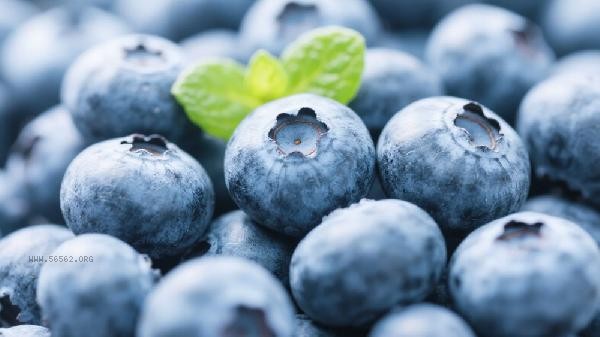
1. Refrigerate storage
Place unwashed blueberries in a breathable food box, with a layer of kitchen paper at the bottom to absorb moisture, and seal it before placing it in the lower compartment of the refrigerator. The refrigeration temperature is maintained at 0-4 degrees Celsius, and the humidity is controlled at around 90%, which can keep the product fresh for 5-7 days. Be careful to avoid mixing with other strongly scented foods to prevent cross contamination. After each use, it is necessary to seal it in a timely manner to reduce the number of opening and closing times, which can effectively extend the shelf life.
2. Cryopreservation
After cleaning, blueberries should be thoroughly dried and spread on a baking tray for pre freezing for 2 hours before being placed in a sealed bag. After venting, they should be placed in a -18 ° C freezer. Freezing can store for 8-12 months. When thawing, it is recommended to move to the refrigerator to slowly thaw, which can maximize the preservation of anthocyanins and fruit pulp texture. Frozen blueberries are suitable for direct use in making milkshakes, baked goods, or jams, avoiding repeated thawing and freezing.
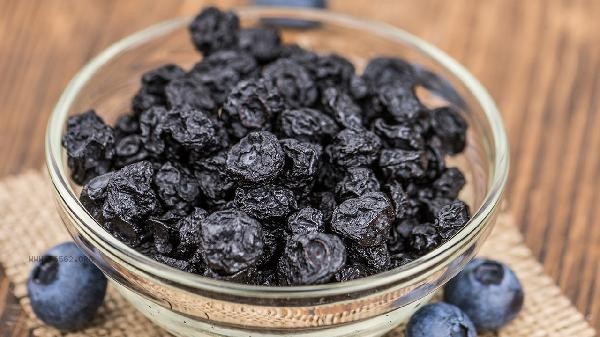
3. Dry storage
Use a food dryer or oven to bake at low temperatures. Cut the blueberries in half and dehydrate them at 60 degrees Celsius for 6-8 hours until the skin shrinks and no water seeps out. Dried blueberries should be placed in a sealed jar with food desiccants added, and stored in a cool, dark place for 3-6 months. This method will lose some vitamin C, but the retention rate of dietary fiber and antioxidants is high, making it suitable for direct consumption as a snack.
4. Vacuum sealing
Using a vacuum packaging machine to remove air and seal can effectively inhibit mold growth and oxidation reactions. Vacuum refrigeration of unwashed blueberries can extend their shelf life to 10-14 days, while vacuum freezing can preserve them for over 1 year. Pay attention to choosing food grade vacuum bags, ensure that the blueberry surface is completely dry before sealing, and avoid fruit compression and damage during packaging.
5. Processing and Preservation
Processing blueberries by making jam, fruit vinegar, or soaking them in alcohol, etc. Mix blueberries with sugar, vinegar, or alcohol in proportion and sterilize and package them. Processed products need to be stored in sterilized glass jars, and unopened jam should be stored at room temperature for 6 months. After opening, it should be refrigerated and consumed within 1 month. This method will change the original shape of blueberries, but it can preserve their nutritional value for a long time.
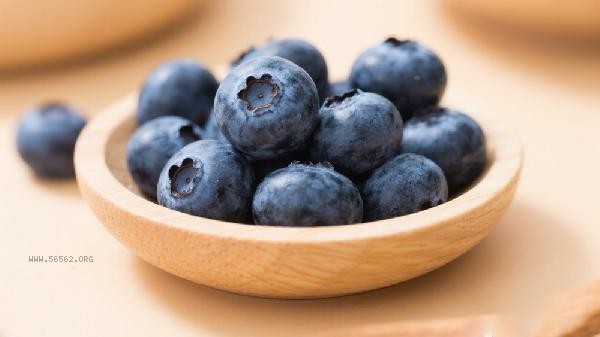
For daily consumption, it is recommended to prioritize fresh fruits that have been refrigerated and stored. It is advisable to consume 3-5 days of fresh fruits per purchase. Regardless of the storage method used, fresh blueberries with intact fruit powder and moderate hardness should be selected as raw materials, and damaged or moldy fruits should be removed. Regularly check the status during storage. If there is juice leakage or mold spots, they should be dealt with immediately. When consumed with oats and yogurt, it can increase the absorption rate of anthocyanins and avoid affecting mineral absorption when eaten with high calcium foods.








Comments (0)
Leave a Comment
No comments yet
Be the first to share your thoughts!