
Pickled radish can enhance its flavor through five key steps: material selection, seasoning ratio, pickling time, preservation method, and taste adjustment. Sour, sweet, crispy, and refreshing pickled radish requires a balance of salt, sugar, and vinegar ratios, as well as control over the degree of fermentation.
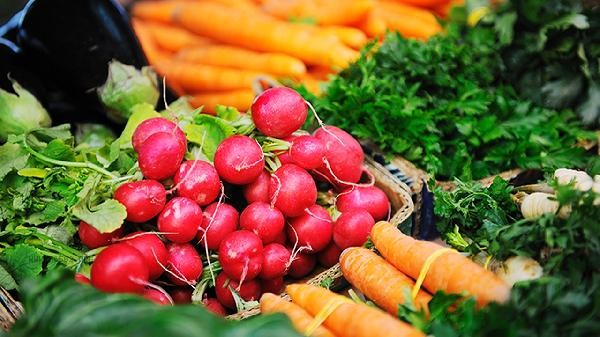
1. Material selection and treatment
Choose fresh and plump white radish with smooth skin and no pits. After peeling, cut into strips or slices according to the needs, keeping the thickness uniform. Rub and blanch with coarse salt for 10 minutes, then rinse thoroughly and drain to remove bitterness and enhance crispness. In winter, the sweetness of radish is higher after frost.
2. Seasoning ratio
The basic formula is to mix 15 grams of salt, 30 grams of white sugar, and 50 milliliters of rice vinegar for every 500 grams of radish. For those who enjoy spicy food, you can add millet pepper. To enhance the aroma, you can add garlic slices and lemon juice.
3. Marination time
Marinate at room temperature for 8 hours for initial flavor absorption, then refrigerate for 24 hours for optimal flavor. Fermented pickled radish needs to be turned daily for 3-5 days to ensure even contact with the sauce. Urgent food can be soaked with heavy objects to accelerate dehydration, but the taste is slightly inferior to natural pickling.
4. Storage method
Store in a sealed container disinfected with boiling water, and the sauce should be completely submerged in the ingredients. Refrigerate for about two weeks, and add highly Baijiu to extend to one month. If there is a white film or a sour taste, it should be discarded. Glass containers are more conducive to observing the deterioration situation.
5. Taste adjustment
To achieve crispness, 0.5% calcium chloride solution can be added for pretreatment. Adding honey or preserved plums during secondary seasoning can enhance the layering, while marinating seaweed shreds with radish can increase the freshness. Overfermented radishes can be blanched and cold mixed for reuse.
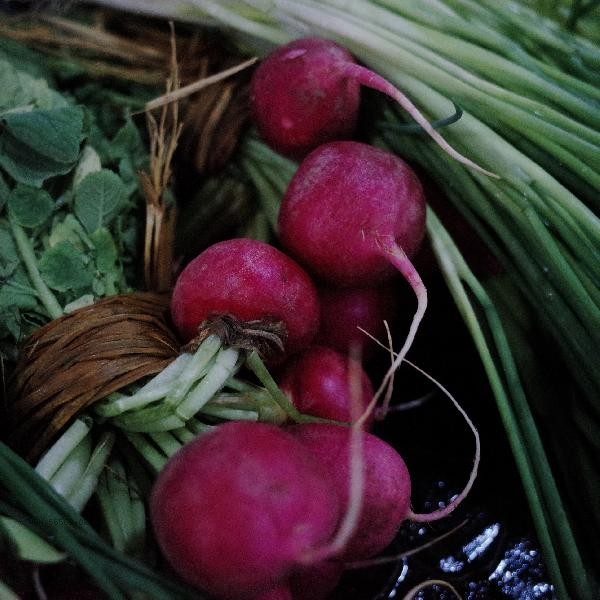
Pickled radish should be consumed daily as a side dish, and hypertensive patients should reduce their salt intake. The pickling utensils need to be thoroughly disinfected to avoid contamination by miscellaneous bacteria, and the nitrite content should be reduced to a safe range after 20 days of pickling. Use it when matching with Congee or relieving greasy food. People with gastrointestinal sensitivity should avoid eating it on an empty stomach. Although traditional pickled foods have unique flavors, it is still recommended to use fresh vegetables as the main dietary source.








Comments (0)
Leave a Comment
No comments yet
Be the first to share your thoughts!