
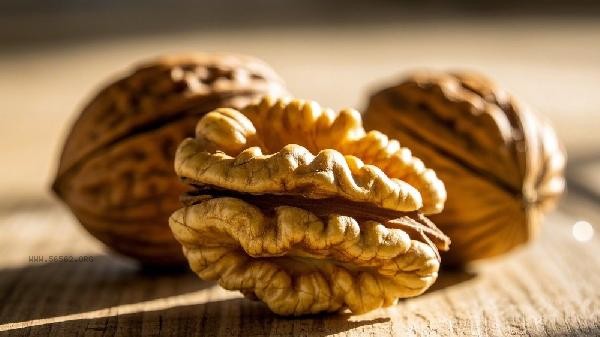
Walnut skin can be easily removed by soaking in hot water, heating in an oven, or freezing in a refrigerator. There are mainly methods such as hot water soaking, oven heating, refrigeration and freezing, tapping and peeling, and natural drying.
1. Hot water soaking method
Soak walnut kernels in hot water for a few minutes, with the water temperature controlled at around 60 degrees Celsius. Hot water can soften walnut skin and reduce the adhesion between the skin and the kernel. After soaking, gently scrape off the outer skin with a toothpick or knife, paying attention to the strength during operation to avoid damaging the nuts. This method is suitable for situations where the integrity of walnut kernels needs to be maintained, and the kernels are not easily broken after peeling.
2. Oven Heating Method
Spread the walnut kernels flat on a baking tray and heat them in an oven preheated to 150 degrees Celsius for 5 minutes. During the heating process, the walnut skin will separate from the kernel due to thermal shrinkage. After taking it out, rub it with your hands while it's still hot to easily remove the skin. This method is highly efficient and suitable for batch processing, but it is important to control the temperature and time to avoid burning.
3. Refrigeration and Freezing Method
Put walnut kernels into a sealed bag and place them in the freezer compartment of the refrigerator for 2 hours. Low temperature can make walnut skin brittle, and gently tapping or rubbing after removal can cause the skin to peel off. This method can preserve the nutritional components of walnut kernels to the greatest extent possible, especially suitable for temperature sensitive nutrients. The frozen walnut kernels have a crisper texture and are suitable for direct consumption.
Fourth, tapping and peeling method
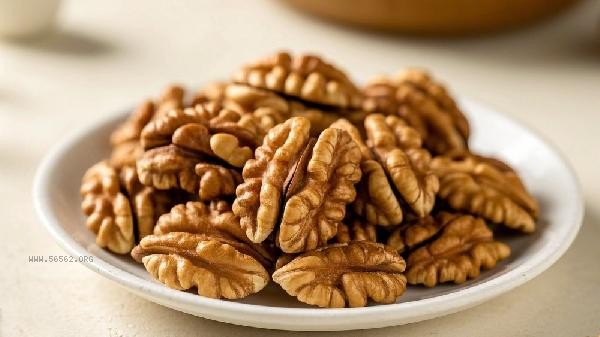
Place the walnut kernels on the cutting board and gently tap them with a rolling pin. The tapping force should be moderate to break the outer skin without damaging the nuts. Then use your hands to rub and separate the skin from the kernel, and finally sieve out the broken skin with a sieve. This method does not require any auxiliary tools, is simple and easy to implement, but requires certain skills to control the force.
Fifth, natural air drying method
Spread the walnut kernels in a ventilated and dry place and air dry for 2-3 days. During the drying process, walnut kernels will naturally curl and peel off due to dehydration. This method is the most natural and environmentally friendly, but it takes a long time and is greatly affected by weather conditions. The dried walnut kernels have a richer flavor and are suitable for making traditional pastries. Walnut kernels are rich in unsaturated fatty acids, protein, and various trace elements, and moderate consumption is beneficial for cardiovascular health. The peeled walnut kernels are easier to digest and absorb, but it is important to avoid nutrient loss during the peeling process. It is recommended to choose a suitable peeling method based on the intended use, and to retain some of the skin for daily consumption to obtain more dietary fiber. When storing peeled walnut kernels, they should be sealed and protected from light to prevent oxidation and deterioration of the oil. Walnut kernels can be added to oatmeal Congee, salad or baked food to increase taste and nutritional value.








Comments (0)
Leave a Comment
No comments yet
Be the first to share your thoughts!