
Jackfruit can be peeled by knife cutting, hand tearing, freezing, hot water immersion, segmentation and other methods.
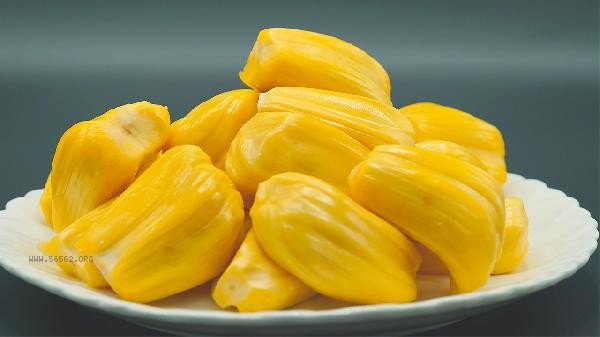
1. Knife cutting method
Place jackfruit upright and cut it into two halves longitudinally from the middle with a knife. It is recommended to apply cooking oil on the cutting surface before cutting to prevent mucus adhesion. After cutting open, yellow flesh and white core can be seen inside. Use a knife to cut along the edge of the core to separate the flesh. The mucus wrapped in fruit pulp can be applied to fingers with edible oil or salt water before peeling off to avoid skin irritation.
2. Hand tearing method
The jackfruit with high maturity can be peeled directly with bare hands. First, peel off the protruding hard skin on the surface to expose the internal fibrous structure, and then tear along the texture. This method is suitable for jackfruit whose skin has softened. Gloves should be worn during the process, and mucus contact with the skin may cause itching. The peeled fruit pulp needs to be rinsed with clean water to remove any surface mucus.
3. Freezing method
Place the complete jackfruit in the refrigerator and freeze it for 2 hours. Low temperature will make the peel shrink and become brittle. After removal, gently tap the epidermis with a knife to break and peel off, which can greatly reduce mucus leakage. After freezing, the temperature of the fruit flesh is relatively low, making it suitable for making chilled desserts, but thawing will result in a slight softening of the flesh.

4. Hot water immersion method
The whole jackfruit can be soaked in 60 ℃ hot water for 10 minutes, and high temperature can decompose pectin to reduce viscosity. After being removed, the epidermis will become soft and easy to peel off, while the secretion of mucus will decrease. Note that the water temperature should not be too high to avoid scalding the fruit pulp and affecting its taste. After processing, it should be consumed in a timely manner. High temperature soaking will accelerate the oxidation of the fruit flesh.
5. Segmental treatment
For jackfruit with large volume, the two ends can be cut first, and then cut into four equal parts vertically for treatment. Dig out the core and peel off the flesh separately for each serving, suitable for small household consumption scenarios. The segmented jackfruit is easier to store, and the untreated part can be wrapped with plastic wrap and stored in cold storage for 3 days.
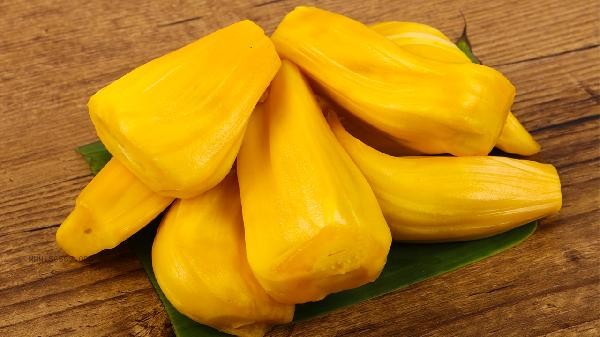
It is recommended to choose a ventilated environment for handling jackfruit, and the operating platform should be paved with oil paper or plastic bags for easy cleaning. The peeled fruit pulp can be paired with coconut milk to make desserts, or stir fried with chicken to enhance the flavor. The flesh of immature jackfruit contains tannin, which needs to be soaked in salt water before eating. Daily consumption should be controlled within 200 grams to avoid excessive intake of fructose. Mucus allergy sufferers should avoid direct contact with the skin and can choose pre treated fruit pulp products.








Comments (0)
Leave a Comment
No comments yet
Be the first to share your thoughts!