
Boiled eggs are prone to meat when peeled, which is usually related to the adhesion of the inner membrane of the eggshell. The key to avoiding this situation is to control the cooking time, cooling method, and shelling technique.
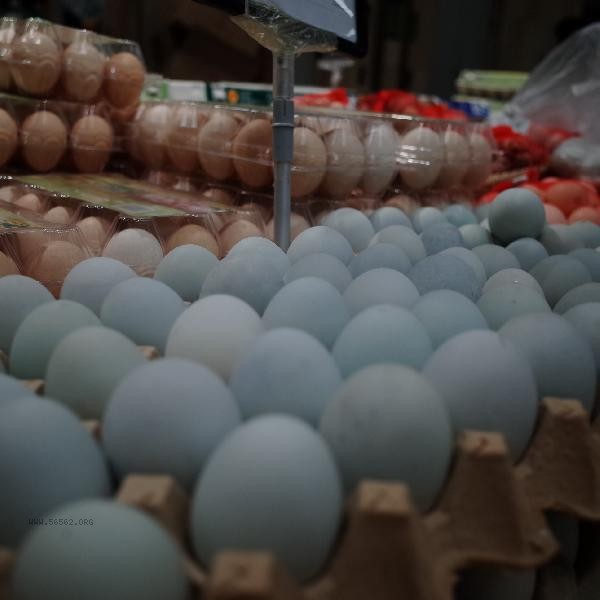
When boiling eggs, the water temperature should not be too high. After the water boils, turn to low heat and cook for 8-10 minutes. Prolonged cooking can cause the protein to solidify excessively and stick to the eggshell. After cooking, immediately soak the eggs in cold water for 5 minutes. The principle of thermal expansion and contraction can separate the eggshell from the protein. Before peeling, gently tap the two ends and sides of the egg to form fine cracks, and start peeling from one end of the air chamber for smoother removal. The inner membrane of fresh eggs is thicker and easier to stick together, and eggs stored for 3-5 days have a better peeling effect. Adding a small amount of salt or white vinegar when cooking eggs can help soften the inner lining of the eggshell.
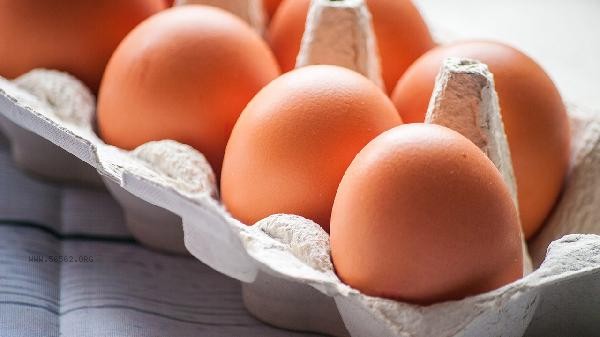
Keep your hands dry when peeling, gently pry open the film layer along the crack of the eggshell with your thumb nail, and rinse with running water to help separate the remaining broken shells. If boiled eggs are left for too long, the protein will harden and increase the difficulty of shelling. It is recommended to complete shelling within 2 hours after cooking. Choosing eggs of uniform size can ensure consistent heating and avoid local overcooking that can cause sticking. Steaming eggs in a steamer over water is easier to keep the eggshells intact than boiling them in water, and the steam heating method makes the protein solidify more evenly.
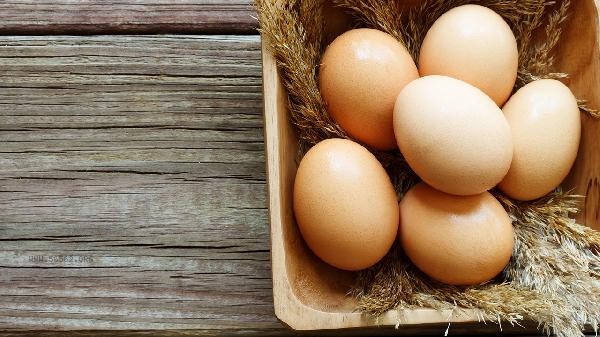
It is recommended to pair daily egg consumption with vegetables and fruits rich in vitamin C to help absorb iron. When storing eggs, placing them with the blunt end facing upwards can maintain the stability of the air chamber, and controlling the refrigeration temperature at around 4 ℃ can extend the shelf life. Eating boiled eggs within 30 minutes after exercise can effectively supplement high-quality protein, but those with high cholesterol should consume no more than one whole egg per day. Using a needle to pierce a small hole in the blunt end of an egg before cooking can prevent cracking during cooking and also facilitate the peeling process.








Comments (0)
Leave a Comment
No comments yet
Be the first to share your thoughts!