
Tomato express packaging needs to use shockproof, pressure resistant, and moisture-proof sealing methods, mainly including bubble wrap wrapping, cardboard reinforcement, partition filling, low-temperature preservation, and outer box labeling. During transportation, it is necessary to avoid high temperatures and severe vibrations to maintain the integrity and freshness of tomatoes.
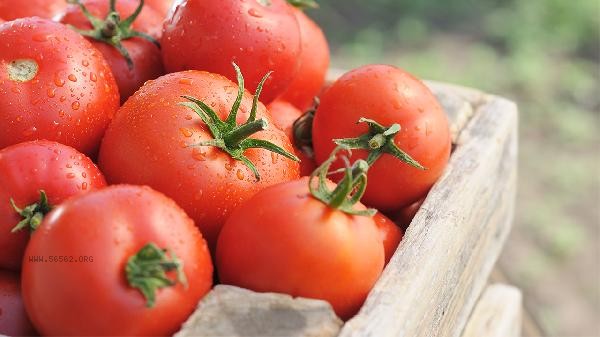
1. Bubble wrap
A single tomato should be tightly wrapped with at least two layers of bubble wrap, with a focus on protecting the fruit stem and vulnerable parts at the bottom. Bubble wrap can effectively buffer vibrations and collisions during transportation, preventing damage to the skin or deformation of the internal flesh under pressure. Pay attention to keeping appropriate breathable space when wrapping to avoid excessive sealing that may cause water vapor accumulation.
2. Carton reinforcement
Choose a five layer corrugated cardboard box as the outer packaging, and use hard cardboard to strengthen the support around the box. A 2cm thick pearl cotton buffer layer is placed at the bottom of the box, with no more than two rows of tomatoes placed on each layer, separated by corrugated cardboard. The seams of the cardboard box need to be sealed with high-strength adhesive tape in an H-shape to prevent cracking during transportation.
3. Separation filling
Each tomato is separated by honeycomb cardboard or foam net sleeve to avoid fruit collision. Fill the remaining space inside the box with shredded paper or inflatable bags to ensure that the goods are not shaken inside the box. For tomatoes with high maturity, it is recommended to fix each fruit separately in a plastic box before packing.
4. Low temperature preservation
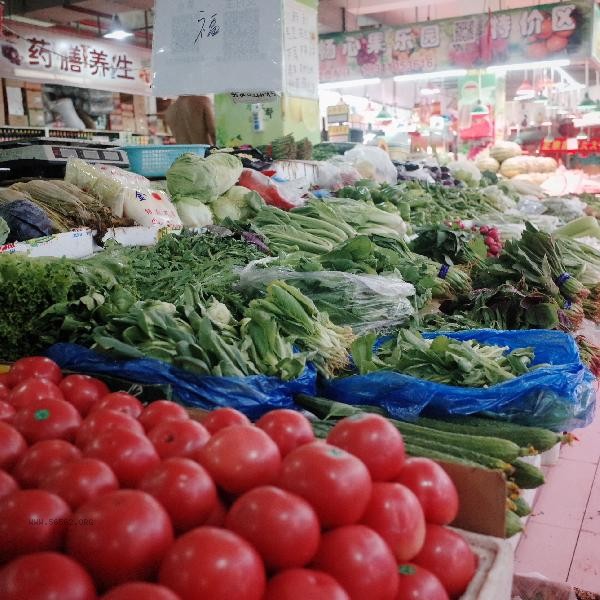
During summer transportation, ice packs or cold storage plates should be placed inside the box, and insulation materials should be used to separate the ice packs from the tomatoes. The box should be labeled with the temperature requirements for preservation, and it is recommended to control it between 10-15 degrees Celsius. Ethylene absorbents can be added to delay post ripening and prevent tomatoes from overcooking and softening during transportation.
5. Outer box labeling
The outer packaging should be clearly labeled with a fragile label and an upward arrow, indicating the product name and quantity. Suggest adding rainproof and moisture-proof labels, and avoid using heat absorbing colors such as red on the box. The receiving information should be pasted on the flat surface of the box, avoiding the joint position to prevent detachment.
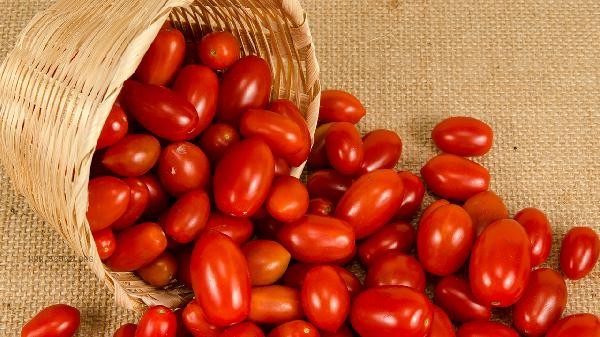
Choose to ship in the morning or evening when the temperature is lower, and prioritize direct logistics to reduce transit. After receiving the goods, immediately open the box for inspection and spread the tomatoes in a cool and ventilated place to dissipate heat. Mildly damaged fruits should be consumed first, and intact tomatoes can be dried of surface moisture and stored in refrigeration. It is recommended to use food grade packaging materials to avoid the migration of chemical substances that may affect fruit quality. Stopping watering 2 days before transportation can reduce the moisture content of tomatoes and improve their transportation pressure resistance. Tomatoes of different maturity levels can be packaged in layers, with those with higher maturity levels placed on the upper layer of the container for priority retrieval.








Comments (0)
Leave a Comment
No comments yet
Be the first to share your thoughts!