
Overcoming hypoglycemia during weight loss can be achieved by adjusting dietary structure, eating regularly, monitoring blood sugar, exercising regularly, and supplementing emergency foods. Hypoglycemia may be related to factors such as excessive dieting, rebound after a high sugar diet, and abnormal insulin secretion, usually manifested as symptoms such as dizziness, palpitations, and sweating.
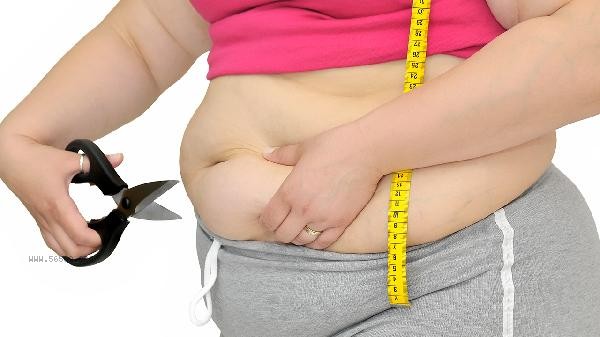
1. Adjust dietary structure
Prioritize low glycemic index foods such as oats and whole wheat bread, and pair them with high-quality protein such as eggs and fish to delay blood sugar fluctuations. Avoid consuming large amounts of refined carbohydrates in a single meal. It is recommended to include dietary fiber and protein in each meal, such as pairing broccoli with chicken breast, which can help stabilize blood sugar levels.
2. Regular eating
Eat small amounts 5-6 times a day, with intervals not exceeding 3 hours. Breakfast should include compound carbohydrates such as sweet potatoes, and you can choose sugar free yogurt or nuts as an extra meal. Sudden extension of fasting time can easily induce hypoglycemia, and a small amount of casein slow-release foods such as low-fat cheese can be supplemented at night.
3. Monitor blood sugar
Use a portable blood glucose meter to regularly check, especially before and after exercise and when feeling hungry. If the fasting blood glucose is below 3.9mmol/L or below 4.4mmol/L 2 hours after a meal, timely intervention is necessary. Recording the pattern of blood sugar changes can help adjust diet and exercise plans.
4. Reasonable Exercise
Avoid exercising on an empty stomach, and it is recommended to engage in low-intensity aerobic exercise such as brisk walking and swimming 1-2 hours after meals. Before exercise, you can supplement with fast carbon such as bananas, and if you continue to exercise for more than 45 minutes, you need to supplement with electrolyte drinks midway. After high-intensity training, a recovery meal with a carbon water to protein ratio of 3:1 should be consumed.
5. Emergency food
Carry 15 grams of quick acting carbohydrates such as glucose tablets and fruit juice gummies with you, and take them immediately if you experience palpitations and hand tremors. After the symptoms are relieved, it is necessary to follow up with a small amount of protein such as protein bars to prevent a sudden drop in blood sugar again. Patients with severe recurrent hypoglycemia should prepare a glucagon emergency pen.
It is recommended that the daily calorie deficit during weight loss should not exceed 500 calories, as a long-term extremely low calorie diet may damage metabolic function. Patients with diabetes or frequent hypoglycemia attacks need to seek medical advice to adjust the program, and if necessary, use acarbose tablets, glimepiride tablets and other drugs under the guidance of a doctor. Regular body fat percentage testing is more meaningful than simply focusing on weight, and maintaining moderate strength training can improve basal metabolic rate.








Comments (0)
Leave a Comment
No comments yet
Be the first to share your thoughts!