
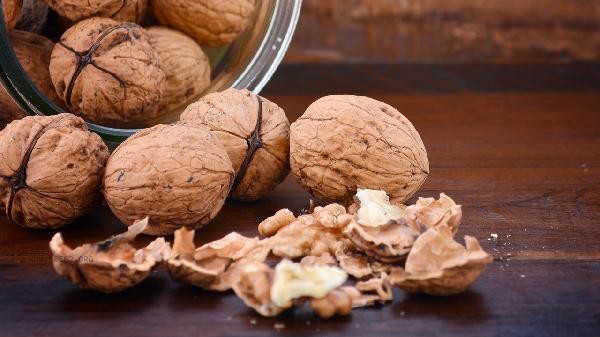
Wild walnuts can be shelled using physical methods such as boiling, clamping, oven heating, hammering, and freezing. Walnut shells are hard and can easily damage fingers when opened by hand. It is recommended to use tools or physical means to handle them.
1. Boiling method
Put walnuts into boiling water and boil for 5 minutes. The high temperature softens the lignin and naturally expands the shell seams. Immediately immerse in cold water after removing, and use the principle of thermal expansion and contraction to crack the shell. This method preserves the entire kernel and is suitable for situations that require extensive processing. Be aware that cooking for too long can lead to nutrient loss.
2. Clamping method
Use professional walnut pliers or ordinary tiger pliers to clamp and press along the longitudinal grain of the walnut. Choosing the depression at the waist of the walnut as the point of stress can reduce the splashing of broken shells. During operation, use thick cloth to prevent slipping and avoid damaging the nuts with pliers. This method requires high tools and is suitable for small-scale processing in households.
3. Oven heating method
Lay walnuts flat on a baking tray and bake at 150 ℃ for 10 minutes before removing. The high temperature causes the air inside the shell to expand and produce cracks. Wearing insulated gloves and rubbing while hot can separate them. Excessive temperature can easily cause the nuts to burn, it is recommended to flip them halfway. This method can stimulate walnut aroma, but there will be a loss of thermosensitive nutrients such as vitamin E.
4. Hammer striking method
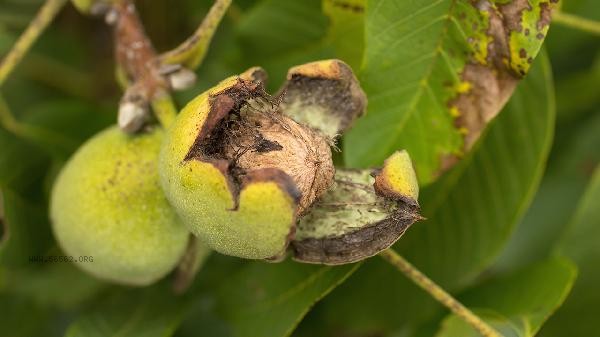
Wrap the walnut in a towel and gently tap the shell with a hammer until it cracks slightly. Towel cushioning can prevent shell fragments from splashing around, and the appropriate tapping force is to hear a crisp cracking sound. It is necessary to control the impact angle to avoid crushing and cracking, which may cause mixed kernels and shells. Suitable for handling thick shelled varieties, but with a lower kernel integrity rate.
5. Freezing method
After sealing the walnut, freeze it for 2 hours, take it out and quickly tap it. Low temperature makes the shell material brittle and more prone to cracking, while temperature differences promote the separation of the shell and core. insufficient freezing time will affect the effect, and it needs to be dealt with immediately after thawing. This method can maximize the retention of nutrients, but it requires advance preparation.
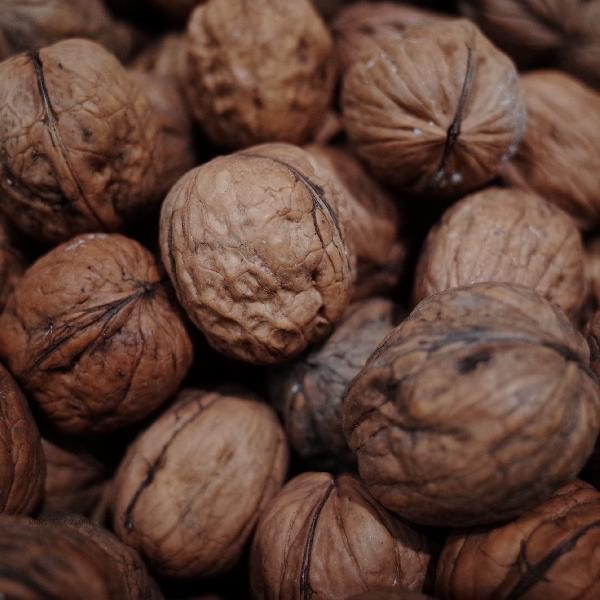
Wild walnuts have a high content of tannic acid. It is recommended to soak the shell in water for 2 hours after opening to remove astringency. Wear goggles during the shell breaking process to prevent eye injuries from splashing shells, and adult supervision is required for children's operations. It is recommended to refrigerate fresh walnut kernels and consume them as soon as possible to avoid the oxidation of oil and the production of a rancid taste. The daily consumption should be controlled within 20 grams, as excessive intake may cause gastrointestinal discomfort. Walnut shells can be sun dried and crushed for use as horticultural paving or homemade activated carbon, achieving resource recycling.








Comments (0)
Leave a Comment
No comments yet
Be the first to share your thoughts!