
To preserve pickled chili peppers for a long time without spoilage, the key lies in sterilization, sealing, and acidity control. Five methods can be used, including traditional pickled peppers, oil sealed peppers, sweet and sour pickled peppers, salt dried pickled peppers, and fermented sour and spicy peppers, combined with dark storage and regular inspections.
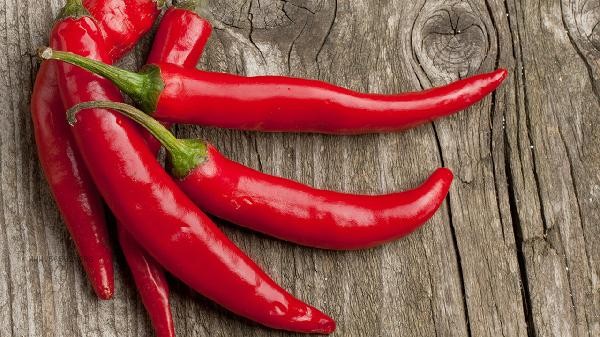
1. Traditional pepper soaking method
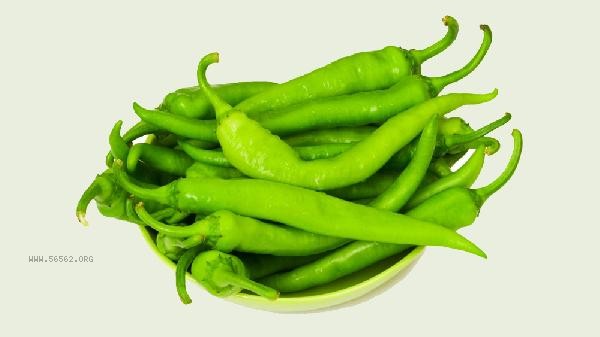
Select intact and undamaged green and red chili peppers, wash and dry them, prepare salt water in a ratio of 10:1, boil and cool them, and add spices such as garlic, ginger, Sichuan pepper, etc. Put the chili peppers into a disinfection jar and pour in salt water to completely immerse them. Place heavy objects to avoid floating, and seal the jar mouth with water to isolate the air. The acidic environment produced by lactic acid bacteria fermentation can inhibit miscellaneous bacteria. Store in a cool place and check the water level every half month.
2. Oil sealed chili method
Cut the chili into sections, blanch them in water, and let them dry completely. Then, layer them with roasted star anise and cinnamon and put them into a glass jar. Pour in edible oil heated to 180 degrees and cover completely. The thickness of the oil layer should exceed 3 centimeters to block oxygen. After cooling, seal and refrigerate. The antioxidant properties of the oil, combined with high-temperature sterilization, can keep chili peppers for more than 12 months. Use with clean utensils.
3. Sweet and Sour Pepper Staining Method
Mix white vinegar, white sugar, and salt in a ratio of 1:1:0.3, boil, add chili segments, and simmer over low heat for 5 minutes to kill bacteria. Fill it into a high-temperature resistant glass bottle while it is still hot, and when the sugar concentration exceeds 65%, it can penetrate, dehydrate, and inhibit microorganisms. The bottle mouth should be sealed with wax or vacuum, and the storage process should avoid severe temperature fluctuations to prevent bloating.
4. Salt drying and pickling method
Coarse salt and chili pepper are layered in a 4:1 ratio into a pottery jar, and the top layer is pressed with heavy stones to release water. Pour out the exudate daily until no liquid is produced, and dry the surface salt crystals of chili peppers when the moisture content drops below 40%. Put it in a cloth bag and hang it in a ventilated and dry place. The high salt environment makes it impossible for microorganisms to survive. This method is suitable for areas with humidity below 60%.
Fifth, Fermentation Sour and Spicy Method
Mix chili peppers with cabbage, carrots, etc., chop them into small pieces, add 3% salt and knead to make juice. Put it into a pickle jar, press it tightly to remove air, sprinkle Baijiu on the surface and seal it after sterilization. Maintaining an ambient temperature of 18-22 degrees promotes the proliferation of lactic acid bacteria. After two weeks, if the pH value drops below 3.5, it can be stored for a long time. After opening the jar, it needs to be refrigerated to prevent the mixing of oil and fat.
When storing pickled chili peppers for a long time, it is important to first boil and disinfect the container with boiling water, and avoid mixing raw water during the operation. Keep the storage environment cool and dry, with a temperature of 10-15 degrees Celsius. Regularly check for mold or bloating. Observe for abnormal color and odor before consumption, as spoiled pickled products may produce flocculent or rancid flavors. Hypertensive patients should control their intake of salted chili peppers, and those with gastrointestinal sensitivity are recommended to choose low salt methods such as sugar and vinegar or oil seals. Cooperating with vacuum machine packaging can further extend the shelf life, but it should be consumed as soon as possible after opening.








Comments (0)
Leave a Comment
No comments yet
Be the first to share your thoughts!