
To make tender and tough tofu, it is necessary to control the concentration of soybean milk, the dosage of coagulant and the pressing process. There are mainly five key points: selecting high protein soybeans, adjusting the proportion of coagulants, controlling the slurry temperature, optimizing the pressing time, and adjusting the forming pressure.
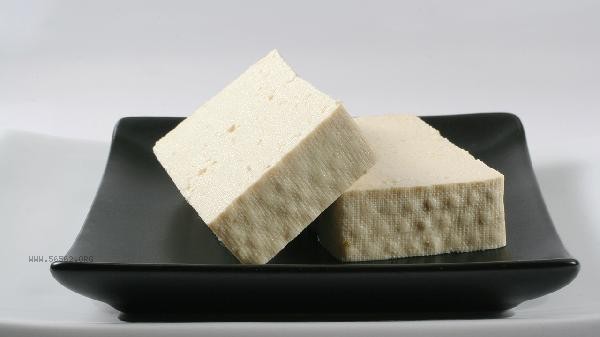
1. Choosing high protein soybeans
to make high-quality tofu requires selecting soybean varieties with high protein content. The protein content of soybeans in the Northeast production area is generally high. When soaking, soak them in cold water for about 8 hours to fully absorb water and expand the soybeans. When grinding, the proportion of water and beans should be controlled at about 1:3, and the raw soybean milk with moderate concentration can be obtained after filtration. High protein soybean milk can form a more dense protein network structure, which is the material basis for tofu to have toughness.
2. Adjust the ratio of coagulants
It is recommended to control the ratio of traditional gypsum powder to water at 1:4, and modern processes can also use gluconolactone as a coagulant. The temperature of soybean milk shall be kept between 75-85 ℃ during the milk tapping, and the coagulant solution shall be poured in slowly and stirred evenly. Excessive coagulants can cause tofu to harden, while insufficient coagulants can make it difficult to shape. Find the optimal ratio suitable for local water quality and soy products through repeated experiments.
3. Control the temperature of milk point
The temperature of soybean milk directly affects the degree of protein denaturation. When the temperature is too low, the protein cannot be fully expanded, and the gel network formed is loose; Excessive temperature can cause excessive denaturation of proteins, resulting in a rough texture of tofu. The thermometer is used for accurate monitoring, and the coagulating reaction is fully completed by standing for 15 minutes after the slurry is ignited. At this time, the tofu pudding presents a uniform flocculent structure.
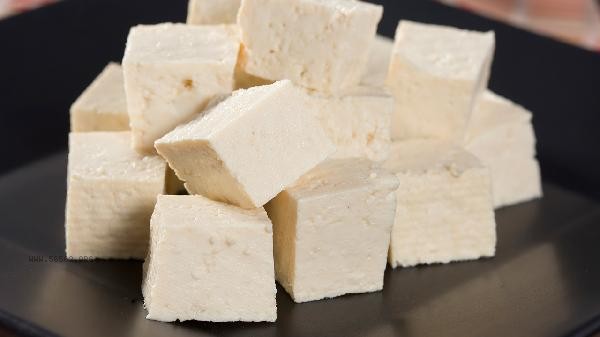
4. Optimize the pressing time
Pour the solidified tofu pudding into the mold covered with gauze, gently press out some water, and then gradually increase the pressure. Squeeze tender tofu for about 20 minutes, while old tofu can be extended to 1 hour. Adjust the pressure in stages during the squeezing process to avoid damaging the tofu tissue with excessive pressure at once. Observe the color of the slurry seeping out from the edge of the mold, and stop when it turns from milky white to clear.
5. Adjust molding pressure
Use a specialized tofu mold with adjustable pressure, with an initial pressure controlled at around 5 kilograms and later increased to 10 kilograms. The traditional method is to use stones to press the weight, and adjust the pressure by increasing or decreasing the number of stones. After molding, tofu should be immediately placed in cold water to solidify, which can enhance its elasticity and water retention. The texture of tofu stored in refrigeration will become tighter and more chewy. During the production process, attention should be paid to the freshness of the raw materials and avoid using aged or moldy beans. Keep the environment clean during the grouting process to prevent bacterial contamination from affecting the solidification effect. Freshly made tofu can be soaked in light salt water to enhance its toughness, and then lightly pressed with a heavy object to remove excess water before cooking. Different varieties of soybeans require adjustment of process parameters. It is recommended to record detailed data for each production to optimize the process. When storing, completely immerse the tofu in clean cold water, and changing the water daily can extend the shelf life.








Comments (0)
Leave a Comment
No comments yet
Be the first to share your thoughts!