
The key to making tofu tender but not rotten is to control the heat, processing techniques, and cooking skills. There are mainly methods such as material selection pretreatment, blanching and shaping, controlling the heat, matching auxiliary materials, and later seasoning.
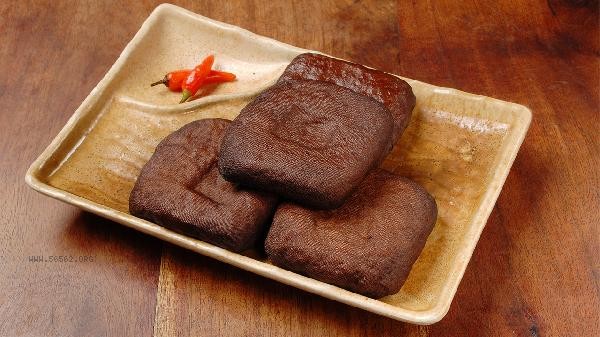
1. Material selection pretreatment
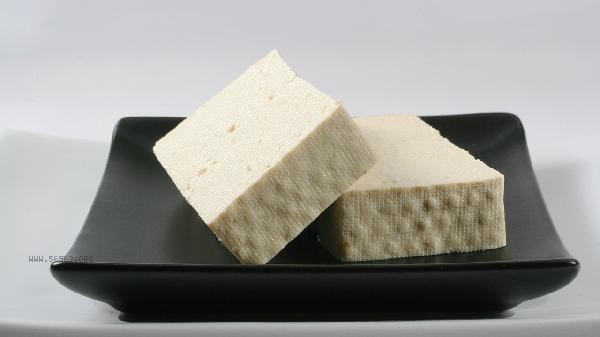
Choose tender tofu or lactone tofu with delicate texture, which has high moisture content and loose structure. Soak the whole tofu in light salt water for about 10 minutes before cooking. Salt can help tighten the protein network and reduce the probability of breakage during cooking. When processing, gently scrape the surface with the back of the knife to remove excess moisture and avoid direct contact that may cause breakage.
2. Blanch and shape
Add a small amount of salt to a cold water pot, and when the water temperature reaches around 80 degrees, add the whole tofu. Keep the water temperature slightly boiling over low heat for 2 minutes to allow the surface proteins to solidify slightly and form a protective layer. After blanching, immediately immerse the tofu in ice water. The temperature difference can keep the inside of the tofu tender and smooth, while the outside forms toughness.
3. Control the heat
Use medium to low heat throughout the cooking process, and keep the oil temperature below 150 degrees Celsius. When frying, heat the pan first and then pour the oil. Do not turn the tofu frequently after it is put into the pan. Fry it on one side until it is slightly yellow and then gently push it. When stewing, turn down the heat after the soup boils. After adding tofu to the pot, avoid vigorous stirring and use the convection of the soup to transfer heat.
4. Pairing with auxiliary materials
High starch ingredients such as potatoes and yams can absorb excess water, and when cooked with tofu, it can form a protective layer. The nucleotides released from mushroom ingredients can enhance the freshness of tofu and reduce seasoning damage. Green leafy vegetables at the bottom can isolate direct heat sources, and wrapping tofu with cabbage leaves during steaming can balance the heat.
5. Post seasoning
Add salt to tofu after it has set. Adding salt too early can cause dehydration and hardening. The sauce should be diluted and poured along the edge of the pot to avoid direct pouring on the surface of the tofu. When thickening, the sauce should be thin. Add it in portions and gently shake the pot to make the sauce evenly adhere. Dripping a little sesame oil before cooking can form a protective film to prevent the tofu from continuing to dehydrate due to residual temperature.
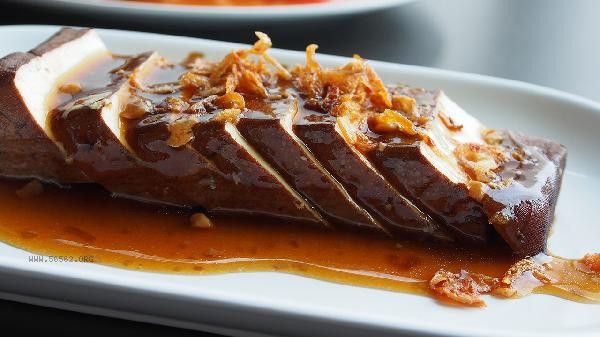
To keep tofu tender and smooth, it is important to handle it gently throughout the process. Tofu taken out of the refrigerator should be warmed up at room temperature before cooking. Soak in clean cold water during daily storage and change the water daily to avoid using metal containers for storage. Pairing with ingredients rich in vitamin C, such as tomatoes, can promote the absorption of iron in tofu, but should not be eaten with spinach that is high in oxalic acid. After mastering these skills, home-made dishes such as Mapo tofu and Crab Roe Tofu can present an ideal taste.








Comments (0)
Leave a Comment
No comments yet
Be the first to share your thoughts!