
The key to preventing lotus roots from turning black during stewing lies in the pre-treatment and cooking techniques, including rapid blanching, avoiding contact with iron utensils, adding acidic substances, controlling the heat, and selecting fresh lotus roots.
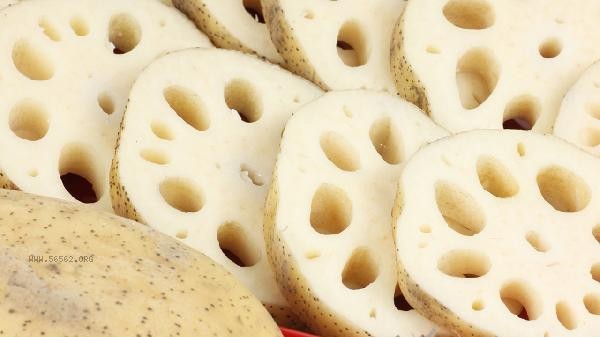
1. Quick blanching
After slicing lotus roots, immediately blanch them in boiling water for about 10 seconds. High temperature can quickly destroy the activity of polyphenol oxidase and reduce browning caused by contact with oxygen. After blanching, quickly cool down with cold water to maintain a crispy and tender taste, while also blocking oxidation reactions. Note that blanching time should not be too long, otherwise it may lead to nutrient loss.
2. Avoid iron contact
When cutting lotus roots, it is recommended to use ceramic or stainless steel knives. Iron knives will react with phenolic substances in lotus roots to accelerate blackening. Choose a clay pot or glass pot as the cooking container, and avoid using an iron pot for stewing. If an iron pot must be used, a thin layer of cooking oil can be applied to the pot to form a barrier film.
3. Adding acidic substances
Adding acidic substances such as white vinegar and lemon juice to soaking or stewing water to control the pH value below 5 can effectively inhibit enzymatic browning. Add 1 tablespoon of vinegar or squeeze in half a lemon juice for every 500 grams of lotus root. An acidic environment can also help maintain the crisp texture of lotus roots, but excessive use may affect the flavor.
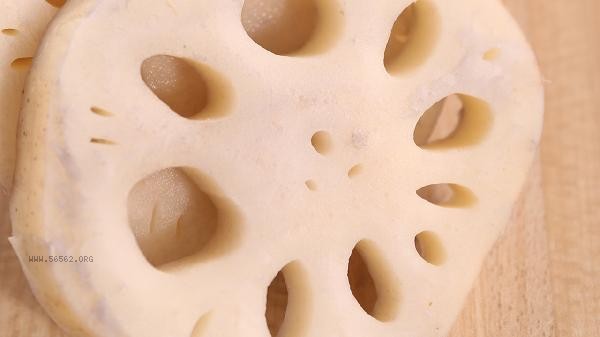
4. Control the heat
When stewing, maintain a low to medium heat and simmer slowly to avoid intense boiling that can cause the lotus root tissue to break and release more phenolic substances. It is recommended to reduce the heat and cover the pot to simmer after the water boils, which can ensure thorough cooking and reduce oxidation. When cooking with a pressure cooker, the cooking time should be shortened, and the heat can be turned off after 8-10 minutes of cooking.
5. Choose fresh lotus roots.
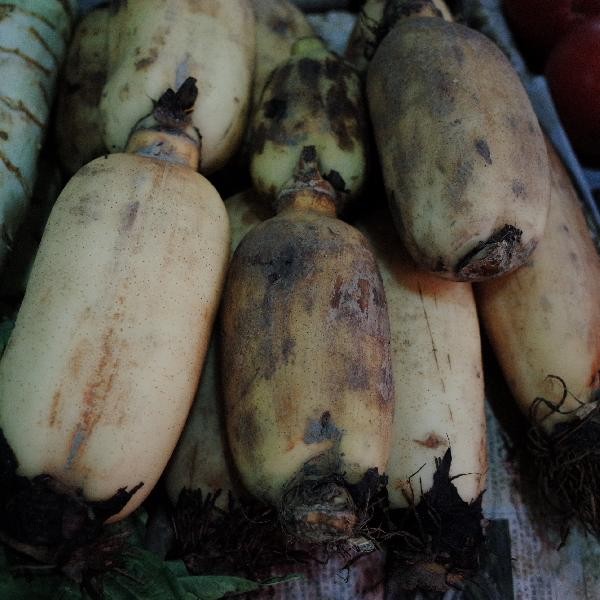
Priority should be given to selecting fresh lotus roots with smooth skin, no scars, and short and thick lotus nodes, which have lower oxidase activity. Lotus roots with white holes and no obvious rust spots after cutting are more resistant to stewing. Avoid using lotus roots that have been stored for more than 3 days. When storing, soak them in diluted salt water to delay oxidation.
When cooking lotus roots in daily life, the above methods can be combined, such as blanching, soaking in vinegar water, and then stewing. Lotus root is rich in dietary fiber and minerals, and is suitable for stewing with pork ribs, peanuts, etc., but those with weak gastrointestinal function need to control their consumption. If lotus roots are found to be slightly blackened, they can still be consumed, but if there is an odor or mucus, they need to be discarded. When storing the remaining lotus roots, they should be completely submerged in water and refrigerated. It is recommended to consume them within 24 hours.








Comments (0)
Leave a Comment
No comments yet
Be the first to share your thoughts!