
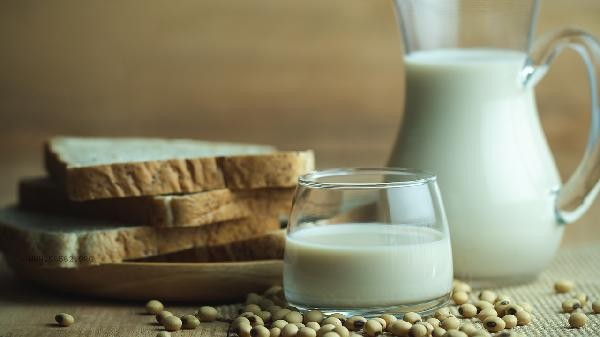
When using the multi-functional wall breaking machine to make soybean milk, it is necessary to add the soaked soybeans and water into the wall breaking machine in proportion, and select the soybean milk mode to complete the process. The production process of soybean milk mainly involves five steps: food material treatment, water volume control, function selection, temperature regulation and filtration.
1. Food Processing
Dry soybeans need to be soaked for 6-8 hours in advance to fully expand, and can be refrigerated and soaked in summer to prevent spoilage. Soaking can soften the cell wall, reduce the wear of the wall breaking machine blade, and improve the plasma yield. If fresh soybeans are used, they can be directly washed and used, but an additional 10% dosage is required to compensate for the moisture difference. Avoid using sprouted or moldy beans as they may produce aflatoxins.
2. Water Control
The golden ratio of soybeans to water is 1:10, which means 100 grams of dry beans are mixed with 1000 milliliters of water. If you prefer a thick texture, you can adjust it to 1:8, and if you prefer a thin texture, adjust it to 1:12. It is recommended to use warm water below 40 ℃ for pulping, as high temperatures can damage the activity of soy protease. The water level of the wall breaking machine shall not exceed 2/3 of the maximum capacity to prevent boiling overflow.
3. Function selection
The special soybean milk program is required for the wall breaker, and this mode includes intermittent mixing and heating. If there is no dedicated program, it can be manually set to first stir at high speed for 3 minutes, and then heat at 80 ℃ for 15 minutes. Some models require secondary mixing to ensure no slag, and can be repeated for 1 minute after an interval of 5 minutes. Avoid using juice mode as it may result in insufficient heating.
4. Temperature regulation
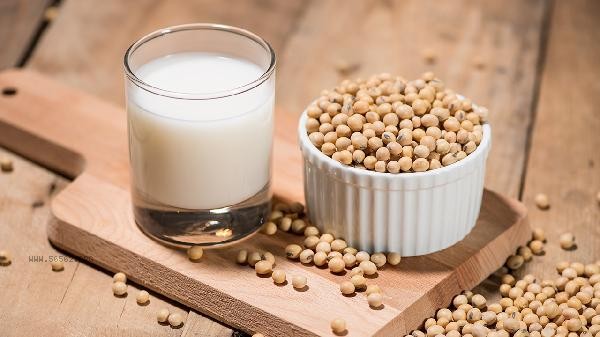
The ideal boiling temperature is 92-96 ℃, and continuous boiling for 5 minutes can completely inactivate soybean trypsin inhibitors. The old-fashioned wall breaking machine requires an additional 3 minutes of boiling, while the new variable frequency wall breaking machine usually completes sterilization automatically. During the pulping process, a small amount of glutinous rice or oats can be added to improve the taste and reduce the bean odor. Prohibit the addition of alkaline substances such as baking soda, as it can damage the vitamin B family.
5. Filtering steps
Using an 80 mesh filter can remove 90% of soybean residue, and pursuing a delicate taste can be filtered again. The filtered soybean residue is rich in dietary fiber and can be used to make soybean residue cakes or added to flour. The freshly made soybean milk should be drunk within 2 hours, and the refrigerated storage should not exceed 24 hours. Heating again to above 70 ℃ before drinking can effectively prevent bacterial growth.
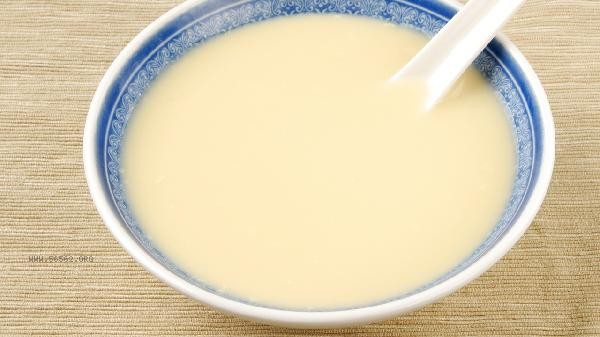
The finished soybean milk can be eaten with whole wheat bread or nuts to improve protein absorption. Those who are lactose intolerant can choose soybean milk instead of milk, but gout patients need to control their daily intake of no more than 200 ml. It is recommended to choose non genetically modified soybeans, as organically grown beans have lower pesticide residues. Immediately clean the blade components with warm water after using the wall breaking machine to prevent protein coagulation residue. Regularly using citric acid for descaling can extend the lifespan of the machine and maintain the efficiency of pulping. If there is a strong bean odor, a small amount of osmanthus or red dates can be added for seasoning.








Comments (0)
Leave a Comment
No comments yet
Be the first to share your thoughts!